Singapore real estate investment activity surges by 49% in Q2
Large-scale transactions drove the performance.
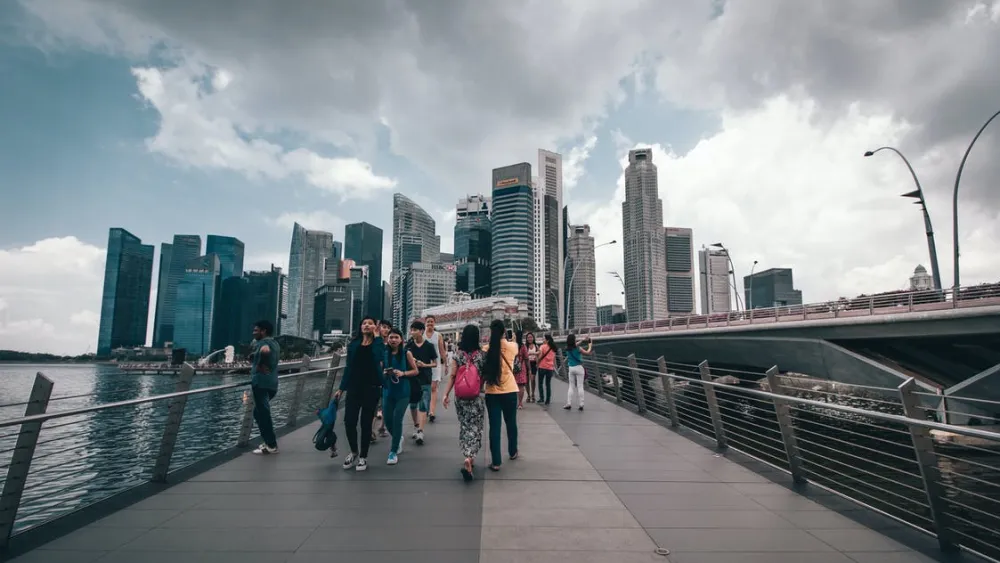
Singapore's real estate investment activity rose 49% year on year in the second quarter of 2026, making it one of Asia Pacific's stronger-performing markets as large transactions drove higher volumes, according to Savills' Q2 2026 Global Capital Markets report.
Across Asia Pacific, investment turnover reached US$46 billion in Q2, up 18% year on year, taking first-half growth to 25%. Savills said the recovery remained uneven, with Mainland China and Hong Kong SAR recording gains of 140% and 120%, respectively, albeit from low bases. Australia rose 24%, while South Korea and Japan declined 22% and 27%.
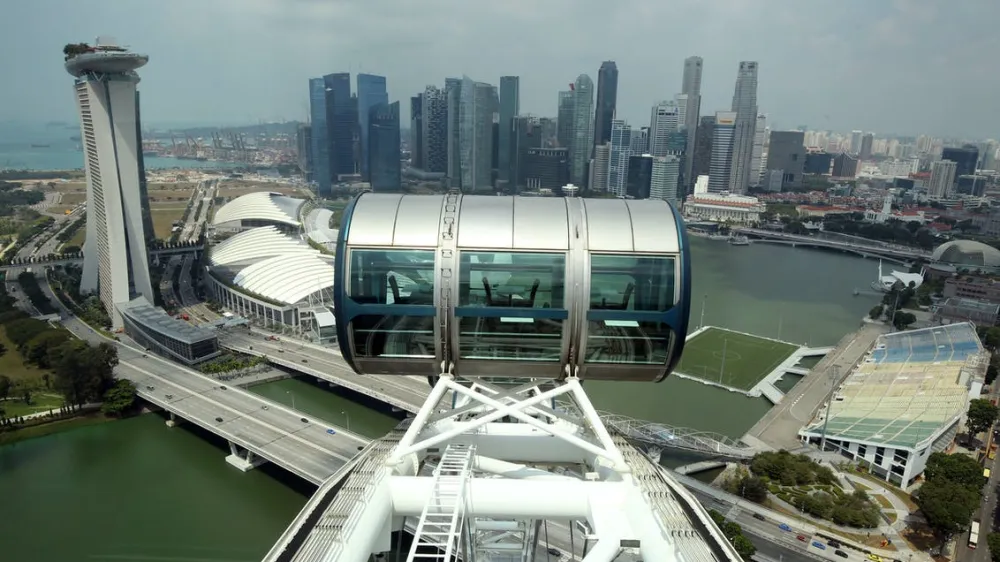
Singapore has emerged as the region's leading market for core office transactions this year, with a strong pipeline of large assets. Savills noted that Khazanah and Temasek had reportedly selected a preferred bidder for Marina One at a valuation of about US$4.4 billion.
Cross-border investors remained net buyers across Asia Pacific, accounting for 35% of acquisitions in H1 2026, up from 28% a year earlier. Partial-stake transactions reached record levels as investors pursued partner buyouts, minority stake sales and recapitalisations, while joint ventures became increasingly prominent.
Savills said JV activity was particularly evident in large-scale living developments in Australia, insurance-backed portfolios in China, corporate real estate buyouts in Japan and data centre platform acquisitions across the region.
Nicholas Wilson, senior director, strategic research and advisory, Asia Pacific capital markets, at Savills, said the recovery was being driven by scale rather than a broad-based increase in activity. He highlighted Singapore's lower funding costs, strong operating fundamentals and pipeline of large assets as key supports.
Office investment across Asia Pacific recorded its eighth consecutive quarter of annual growth, with Q2 turnover up 8%. Transaction numbers increased more slowly, however, suggesting investors are concentrating on larger core assets. Mega-deals above US$500 million more than doubled in H1, supporting activity in South Korea, Japan and Singapore.
Industrial and logistics investment also continued to recover, rising 17% year on year in Q2 and 28% in H1. Australia, Mainland China, Singapore and Taiwan recorded particularly strong momentum, although operating conditions remained mixed in some markets. Savills said AI and semiconductor capital expenditure is increasingly driving the regional manufacturing cycle.
Living investment softened in Q2, but Savills said the headline figures masked growing development and entity-level activity. Purpose-built student accommodation is gaining momentum as international student numbers rise and institutional platforms expand. In Hong Kong, Centaline Group acquired the Regal Oriental Hotel for US$194 million with plans to convert it into 1,568 student beds, while Warburg Pincus launched a US$1.2 billion tender for Japan's largest student housing operator, JSB.
Globally, real estate investment reached about US$250 billion in Q2, up 13% year on year. Pending deals indicate a strong pipeline entering the second half, supporting Savills' forecast for global investment activity to increase by as much as 16% in 2026.
Rasheed Hassan, managing director, global capital markets at Savills, said investors were increasingly underwriting opportunities based on longer-term fundamentals despite continued uncertainty. He said the market was placing a greater premium on selectivity, conviction and a clear understanding of fundamentals.







 Read Here
 Advertise
 Sign Up