
What drove APAC’s H1 real estate investment levels to hit a record US$92.5b?
This represents a 35% jump from last year.
Asia Pacific commercial real estate investment rose 38% year on year to US$45.5 billion in the second quarter of 2026, taking first-half volumes to a record US$92.5 billion, up 35% from a year earlier, according to JLL.
The strongest H1 on record came despite rising energy inflation, currency volatility and supply chain disruptions. JLL said strong semiconductor and automotive demand supported industrial manufacturing, while robust global AI capital expenditure continued to drive technology-related export growth across the region.
Japan recorded US$10.6 billion of investment in Q2, up 39% year on year, bringing H1 volume to US$23.8 billion, up 12%. Office led activity, with core investors acquiring assets, while value-add investors targeted industrial properties offering below-market rents. Data centres also saw unprecedented demand, supported by Japan's push for local data sovereignty and generative AI.
Australia's Q2 investment reached US$8.9 billion, an 82% annual increase, while H1 volume rose 68% to US$14.7 billion. JLL said four large portfolio transactions drove the quarterly result, the strongest Q2 since 2021. A-REITs, unlisted property trusts, developers and private investors were particularly active in industrial property, while retail attracted renewed REIT interest and private buyers targeting assets below A$50 million.
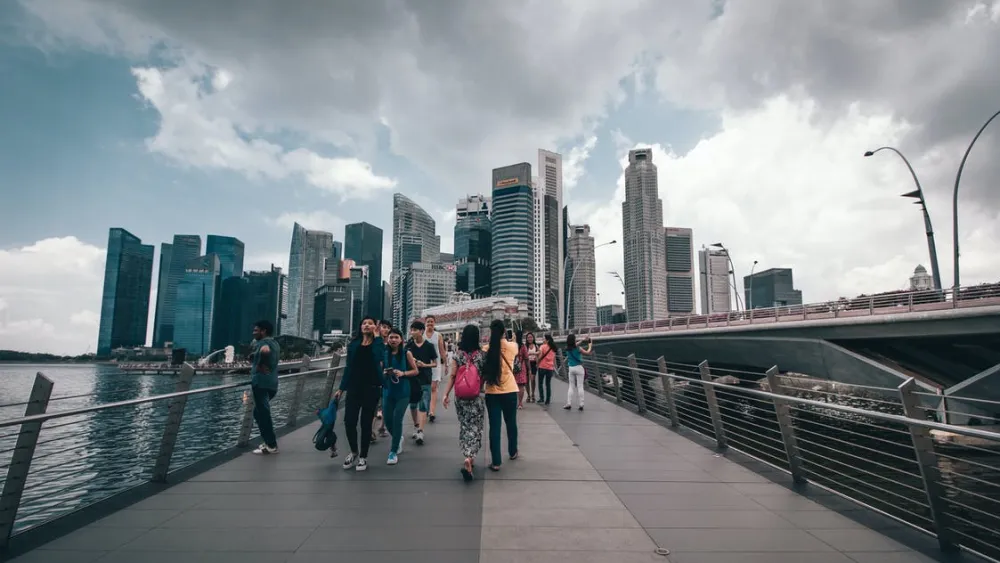
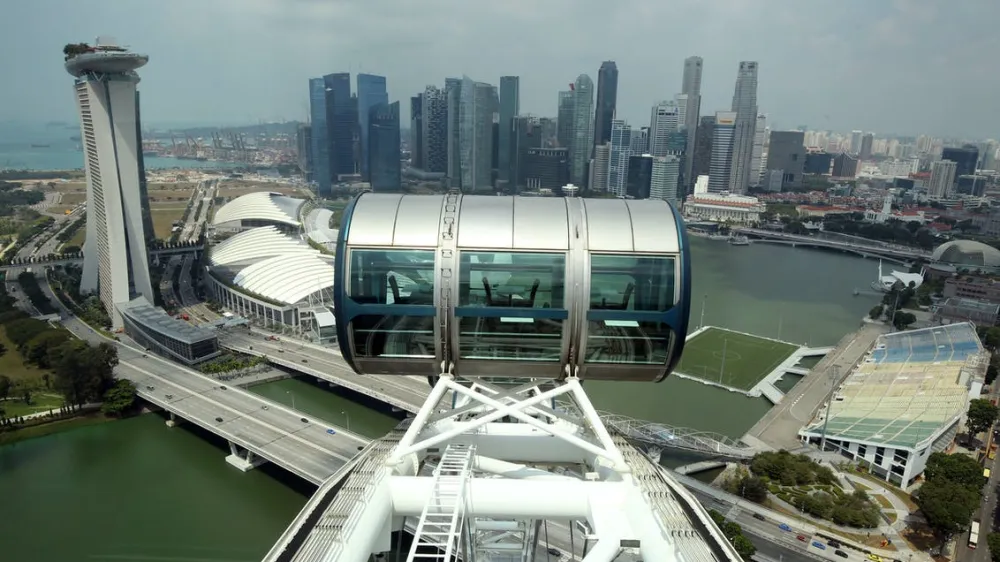
Singapore recorded the region's strongest growth among the major markets covered, with Q2 investment more than doubling to US$6.7 billion, up 108% year on year. H1 volume surged 238% to US$18.2 billion. Two major transactions anchored the quarter: CICT's US$3 billion acquisition of Paragon mall from Cuscaden Peak and IOI Properties' US$1.9 billion purchase of Asia Square Tower 2 from CICT.
Stuart Crow, CEO of Asia Pacific capital markets at JLL, said capital remained abundant despite geopolitical uncertainty and persistent inflation. He said rental growth prospects were compelling across major markets and sectors because of limited supply and rising replacement costs, while the return of mega-deals showed global investors were targeting repriced prime office and retail assets.
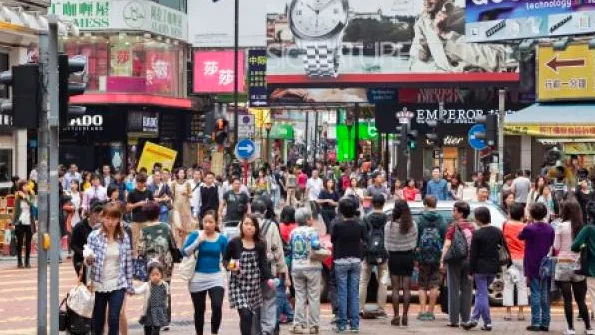
Hong Kong investment surged 129% year on year to US$3.1 billion in Q2, taking H1 volume to US$4.7 billion, up 90%. Retail and office activity drove the increase, with office transactions including assets under receivership such as 299 Queen's Road Central and One Bedford Place. JLL said improving office leasing momentum could further support the market, while retail price corrections have largely paused.
India recorded US$1.6 billion of Q2 investment, up 23%, with H1 volume reaching US$3.1 billion, up 51%. Office dominated activity, with investment in the sector rising 125%. Domestic funds, developers and REITs were the primary buyers.
JLL said investment flows are showing a structural shift towards technology-supporting assets and value-add opportunities. Data centres in Japan and logistics portfolios in Australia were key beneficiaries, while investors also targeted office and hotel assets offering immediate yield stabilisation or attractive repricing.
Pamela Ambler, head of investor intelligence, Asia Pacific, at JLL, said investors were underwriting deals more cautiously amid persistent uncertainty but that appetite for the region remained strong. She highlighted data centres in Japan, logistics in Australia and recovering offices in Hong Kong as examples of sectors where structural demand or near-term yield stabilisation is attracting capital.










 Read Here
 Advertise
 Sign Up