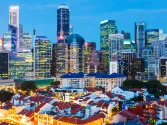
Why brands favour selective Hong Kong expansion over large-scale rollout
Hong Kong’s retail recovery supports selective expansion, but costs remain a constraint.
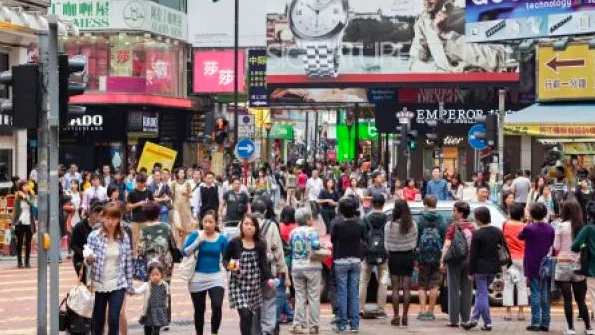
Chinese consumer brands are increasingly targeting Hong Kong's prime retail locations to build brand credibility and test overseas demand, rather than pursuing rapid store rollouts, according to Savills.
The property consultancy said Hong Kong's recovering tourism and retail markets were creating a more supportive environment for new entrants, but high rents, labour and fit-out costs meant brands needed to be selective about where they opened stores.
Retail sales recorded 15 consecutive months of year-on-year growth from May 2025 to July 2026, while visitor arrivals have recovered across a wider range of source markets, Savills said.
Visitors from the Netherlands, Britain, the United States and Australia were among the higher-spending groups, giving Chinese brands access to an international customer base beyond mainland tourists, it said.
For landlords and retailers, the recovery is translating into a more targeted approach to space.
Prime flagship stores can help brands establish visibility and premium positioning, while well-performing regional malls provide access to established local catchments. Pop-up stores offer a lower-cost route to test demand before committing to longer leases, Savills said.
The consultancy also noted that physical stores are increasingly being used as part of broader omnichannel operations, including click-and-collect, ship-from-store and cross-channel returns.
Savills said Chinese brands entering Hong Kong were also moving away from predominantly price-led strategies, instead competing on design, product quality, customer experience and brand storytelling.
But the cost of securing and operating prime space remains a key constraint. High rents, labour costs and fit-out expenses raise the sales threshold needed to make stores profitable, while competition for productive locations remains intense, according to Savills.
The consultancy warned that oversized flagships or poorly chosen sites could quickly undermine performance if brands overestimate tourist demand or select locations that do not match their target customer base.
"Hong Kong" is therefore better viewed as a selective positioning and testing market than as a platform for immediate large-scale expansion, Savills said, with brands needing disciplined site analysis, realistic occupancy-cost assumptions and sufficient capital to establish themselves over time.
For Hong Kong's retail property market, the trend points to continued demand for high-quality, well-located space from brands seeking visibility, but not necessarily a broad-based expansion in store footprints, the report suggests.












 Read Here
 Advertise
 Sign Up