Asia Pacific logistics rents rise 1.2% in H1 2026
India remained one of the region’s most active occupier markets.
Demand for logistics space across Asia-Pacific remained resilient in the first half of 2026, with manufacturing, e-commerce and increasingly specialised technology supply chains supporting occupier activity, according to Knight Frank's Asia-Pacific Logistics Highlights H1 2026 report.
Regional rents increased 1.2% over the six-month period, with 15 of 18 tracked markets recording stable or higher rents year on year. Knight Frank said occupiers were taking a more measured approach to real estate decisions, prioritising operational efficiency, distribution network optimisation and higher-quality facilities rather than aggressive expansion.
Shifts in global trade policy and disruptions to major shipping corridors have also increased the focus on supply chain resilience, with occupiers placing greater emphasis on flexibility and optionality.
Rental performance varied across the region. Elevated availability in parts of East Asia and selected developed markets gave occupiers greater choice and moderated pricing pressure, prompting landlords to compete increasingly on asset quality, sustainability and functionality.
Brisbane recorded the region's strongest rental growth, with rents up 10.4% year on year and 8.6% in H1 2026. Knight Frank highlighted Amazon Australia's plans for a more than A$750 million robotics fulfilment centre at North Maclean, adding 150,000 sq m of highly automated logistics space to South East Queensland. Demand from logistics, retail and transport occupiers, combined with declining vacancy, supported Brisbane's performance.
India remained one of Asia-Pacific's most active occupier markets, driven by manufacturing expansion, domestic consumption and supply chain diversification. Southeast Asian markets, including Vietnam, also benefited from manufacturing diversification and stronger requirements from electronics manufacturers and logistics operators.
In Singapore, conditions remained broadly balanced following strong rental growth in 2025. Prime logistics rents rose 6.8% year on year but were largely stable during H1, with steady occupier demand supporting occupancy despite a sizeable development pipeline. Knight Frank said Singapore's connectivity, trade infrastructure and role as a regional distribution gateway continue to underpin demand for modern logistics facilities. Maersk's 1.1 million sq ft fully automated World Gateway II distribution centre, opened in March, further illustrates investment in advanced regional distribution and e-commerce capacity.
Looking ahead, Knight Frank expects occupiers to remain selective, with flexibility, efficiency and resilience shaping expansion decisions. Tim Armstrong, global head of occupier strategy and services at Knight Frank, said the Asia-Pacific logistics market had entered a more mature phase in which occupiers were focusing on the type and quality of space rather than simply securing capacity.
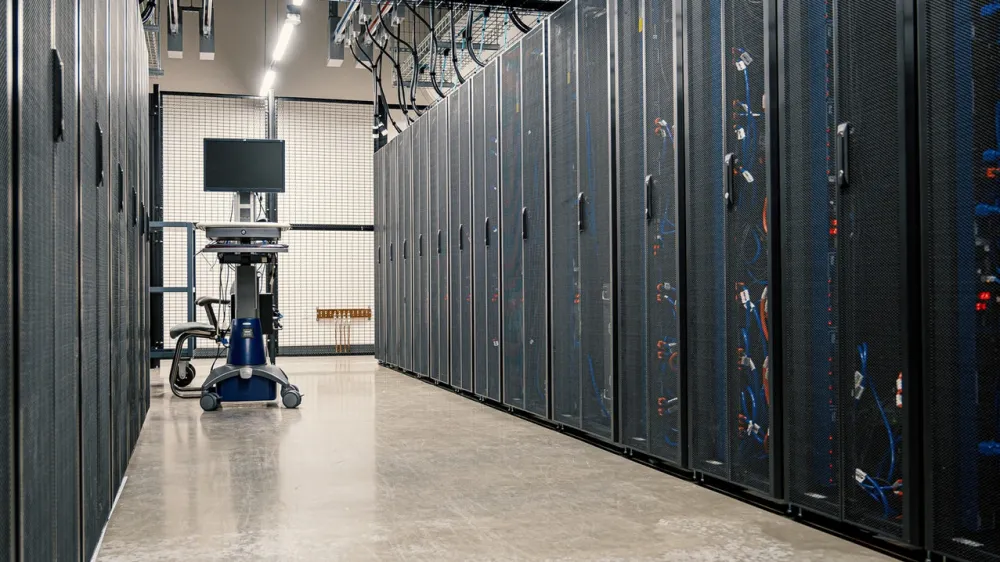
Knight Frank also identified artificial intelligence as an emerging structural driver of logistics demand. Christine Li, head of research, Asia-Pacific, said the region could attract about US$800 billion of data-centre investment by 2030, creating additional demand for specialised logistics infrastructure. DHL already operates more than 30,000 sq m of dedicated data-centre logistics warehousing across Asia-Pacific and has committed to a further 130,000 sq m of expansion and build-to-suit development in Malaysia and Thailand, she said.
Knight Frank expects this growth in AI and data-centre investment to increase demand for high-specification facilities capable of supporting complex technology supply chains.















 Read Here
 Advertise
 Sign Up