Johor data centre growth shifts focus to site readiness
Developers are prioritising scalable power, water, fibre and construction-ready land as AI and cloud demand drives another wave of capacity across Johor.
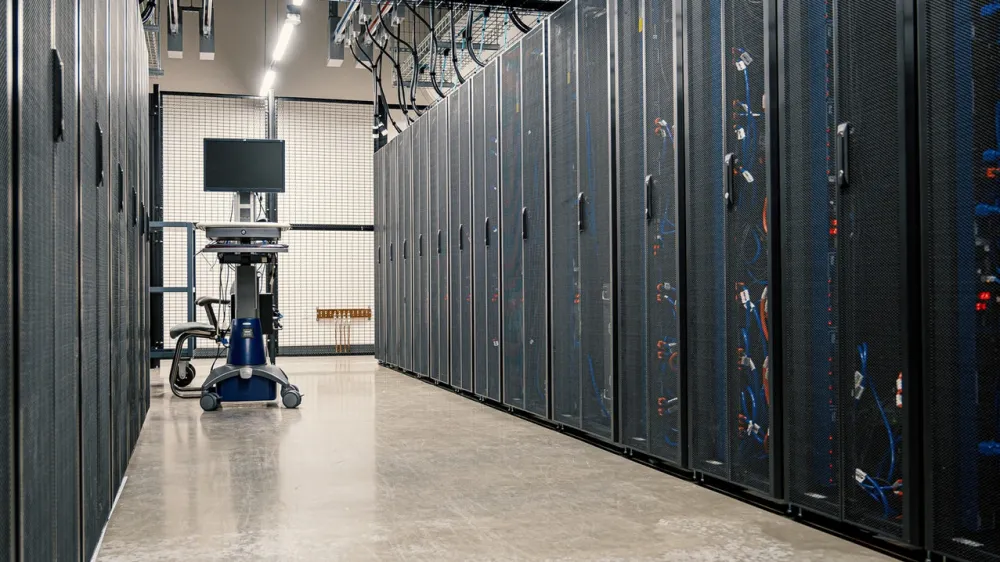
Johor’s data centre expansion is putting greater emphasis on development-ready sites as operators seek infrastructure that can accommodate rapid growth in AI and cloud demand.
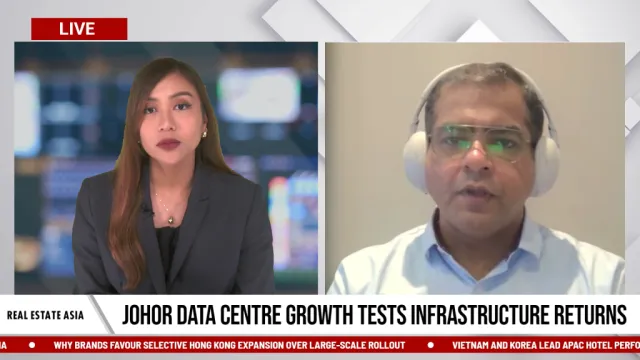
Pritesh Swamy, Head of Research & Consulting for the Data Centre Group in Asia Pacific at Cushman & Wakefield, said Johor has evolved from a spillover location for Singapore into a major data centre hub serving Southeast Asia.
Developers evaluating sites are prioritising power that is immediately available and can scale over the next three to five years. Water availability, fibre connectivity and development approvals are also important, alongside whether surrounding areas can accommodate data centre development without disrupting neighbouring communities.
“Land parcels that are ready with approval and can start construction are very favoured,” Swamy said.
Johor also retains a significant construction cost advantage over Singapore. Swamy estimated total construction costs can be 20%–30% lower, although he said lower costs were not the main reason Johor emerged as a data centre hub.
Available power, utilities and scalability were more important to its initial growth, and Swamy does not expect the construction cost gap with Singapore to narrow significantly given differences in land and development costs.
Demand is now being driven by AI training and inference alongside continued cloud growth. Cloud service providers, AI companies and neocloud operators hosting graphics processing units for large language models are amongst the key sources of demand.
Johor added more than 600MW of new capacity over the past 12 months, and Swamy expects that momentum to continue.
Cushman & Wakefield expects close to 3,000MW to be completed by 2030. Another 6,000MW is in longer-term development stages and could come online beyond 2030, although its timeline remains uncertain.














 Read Here
 Advertise
 Sign Up







Commentary
How commercial spaces must adapt to changing consumer expectations