Prime warehouses gain as occupiers prioritise efficiency
Modern facilities are attracting occupiers that value network performance, automation readiness and lower total operating costs.
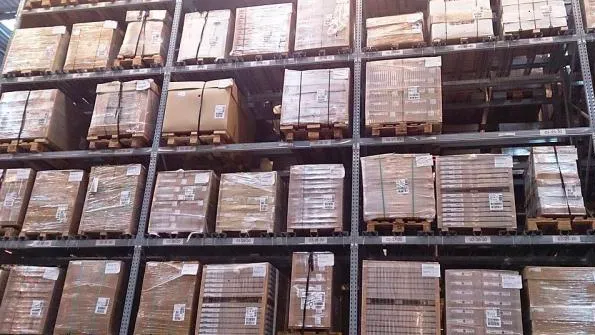
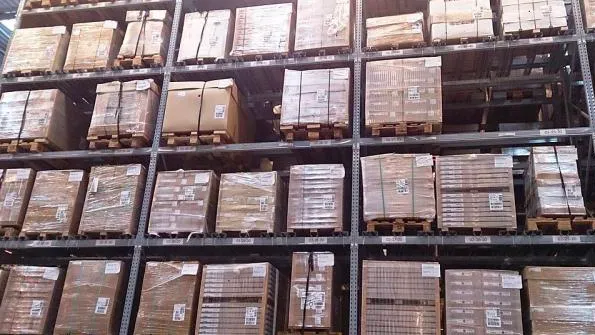
Prime warehouses are pulling ahead of older logistics stock across Asia Pacific as occupiers prioritise operational efficiency over lower rents.
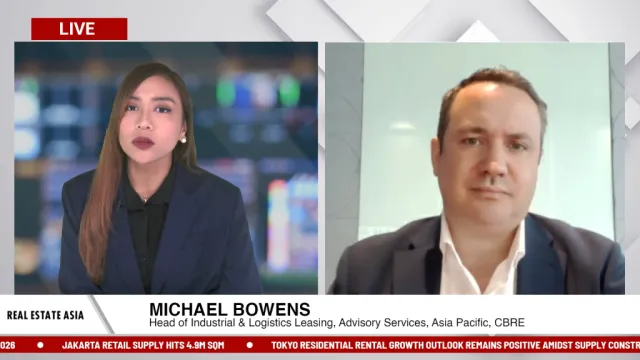
Michael Bowens, Head of Industrial & Logistics Leasing and Advisory Services for Asia Pacific at CBRE, said modern warehouses typically offer better floor loading, clear height, power, loading capacity and configuration.
Those features can support automation, inventory consolidation and more efficient goods movement, helping offset higher rental costs.
“Real estate is only about three to 6% of the total logistics cost,” Bowens said, noting that transport, labour, inventory, and service performance account for a much larger share of occupier expenses.
CBRE’s latest Asia Pacific Industrial & Logistics Trends report shows a similar shift in mainland China, where occupiers are taking advantage of lower occupancy costs to upgrade facilities and optimise operations as selected tier I markets stabilise. In Korea, demand for larger floorplates is also being driven by occupiers seeking space for automation and business expansion.
Location remains the first consideration, but Bowens said occupiers increasingly define it in operational terms.
Access to customers, transport infrastructure, labour, and the wider supply chain can have a greater effect on delivery times and daily costs than securing the lowest rental rate.
For owners of older or more peripheral warehouses, Bowens said the widening performance gap calls for a more active asset strategy.
“Older stock is not automatically obsolete, but taking a passive ownership approach is a risk,” he said.
Owners may need to upgrade facilities, reposition them for specific user groups or price them to reflect operational disadvantages.
CBRE expects logistics supply to begin falling from 2027, which could tighten prime markets first. Bowens said this would not guarantee a recovery for every peripheral or functionally constrained asset.











 Read Here
 Advertise
 Sign Up






Commentary
When does infrastructure create sustainable value in Asian real estate?
When power availability becomes a real estate constraint