Warehouse occupancy in Greater Jakarta rises to 95.8% in Q1 2026
Thanks to steady absorption of newly completed facilities.
Colliers reported that demand for modern warehouse space in Greater Jakarta continues to strengthen, driven primarily by third-party logistics (3PL) providers, e-commerce expansion, and the growing need for efficient supply chain networks.
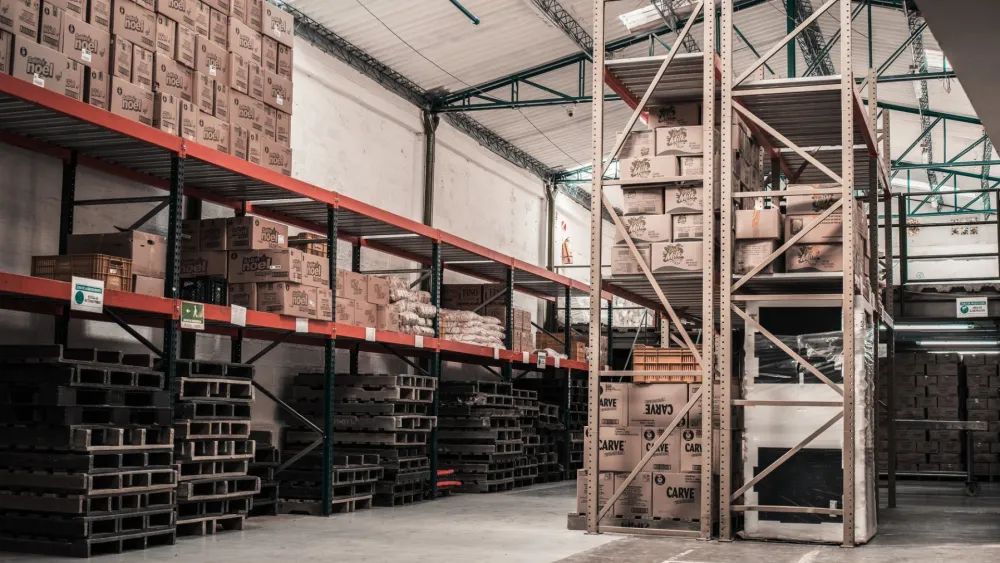
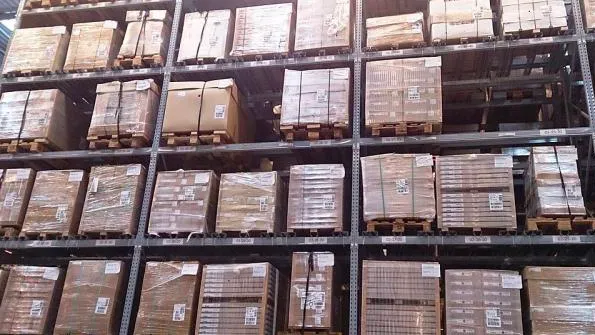
According to Colliers, occupancy in the Greater Jakarta modern warehouse market reached 95.8% in Q1 2026, slightly higher than 2025 levels, reflecting steady absorption of newly completed facilities and limited availability of high-quality logistics assets.
The consultancy said demand remains supported by a diverse occupier base, including FMCG, electronics and pharmaceutical companies, while emerging sectors such as electric vehicles and renewable energy are beginning to generate new warehouse requirements.
Colliers noted that the East corridor remains the market’s main logistics hub and primary growth engine, accounting for most occupied warehouse supply in Greater Jakarta. Between 2019 and 2025, supply and demand growth in the East corridor averaged around 17% annually. The area continues to benefit from infrastructure readiness, toll road connectivity to Tanjung Priok Port, and proximity to industrial clusters in Bekasi, Cikarang and Karawang.
The report added that Indonesia recorded the largest e-commerce revenue among the tiger cub economies in 2025, further driving demand for fulfillment centres, distribution hubs and last-mile logistics facilities near major urban consumption areas.
Colliers also highlighted rising demand for specialised storage facilities, including cold storage and bulk commodity warehouses, amid growing concerns over food and energy security. This trend is supporting demand for temperature-controlled logistics assets and long-term storage facilities for essential goods.
By corridor, the West corridor recorded the highest occupancy at nearly 97%, despite its relatively smaller supply base, while the East corridor continued to operate close to full capacity. The South corridor also maintained healthy occupancy levels, whereas the North corridor recorded occupancy of around 90%, reflecting its more specialised focus on port-related and cold storage logistics activities.













 Read Here
 Advertise
 Sign Up