
Medical centre expansion in Hong Kong: How to choose the right location
By Michael WongIt is about choosing premises that can support safe operations, efficient fit-out, compliance, and business performance.
As Hong Kong’s private healthcare market continues to grow, more clinics and specialist practices are expanding beyond single-site operations into multi-location medical businesses.
But choosing premises for medical use is very different from leasing a standard office.
Factors such as floor loading, electrical capacity, plumbing system, licensing compliance, and accessibility can have a major impact on whether a site is truly viable.
Too often, operators focus first on district, rent, and floor area efficiency, only to discover later that the premises cannot support the technical or regulatory demands of medical use. By the time those problems surface, the lease may already be signed, fit-out plans may be finalised, and costs may begin to escalate. For medical operators, site selection is not just a property decision. It is also a risk-management exercise.
Structural loading is a critical first filter
One of the most overlooked issues in medical site selection is floor loading. A normal office floor is designed for regular commercial activity, but medical operations may involve concentrated equipment loads. Dental machinery, diagnostic imaging systems, and other clinical installations can place far greater demands on a building than ordinary office fittings and workstations.
In some cases, structural limitations can be addressed through reinforcement or redesign.
However, these solutions often require professional engineering assessment, landlord or management approval, as well as additional time and cost. Not every building is suitable for such modifications, particularly older commercial block.
In practice, some projects are delayed or even abandoned because the premises cannot accommodate the intended equipment.
That is why structural capacity should be reviewed at the very beginning, not treated as a technical detail to be confirmed later. If the building cannot support the clinical model, an attractive address or competitive rent will not make the site workable.
Power supply is about infrastructure, not just budget
Electrical capacity is another essential consideration. Medical facilities may require not only sufficient power, but also stable supply, dedicated circuits, and, in some cases, integration with uninterruptible power supply systems or backup generators. Facilities dedicated to medical imaging and therapy require exceptionally stable infrastructure to prevent critical service interruptions.
A common misconception is that electrical shortcomings can always be solved with extra spending during fit-out. In reality, the building itself may have limited spare capacity, especially if it was designed for conventional office use rather than medical operations. If this is discovered too late, operators may be forced to scale back equipment plans and redesign services.
For that reason, healthcare tenants should assess available electrical capacity early, confirm whether upgrades are possible, and understand the limitations of the building’s existing systems. In medical leasing, infrastructure often matters more than rental cost.
Compliance can determine whether a clinic can open at all
Even when a premises appears commercially attractive and technically feasible, it may still fail as a medical site if it cannot satisfy licensing and compliance requirements. Clinics and day medical facilities in Hong Kong may need to meet detailed requirements relating to layout, circulation, accessibility, fire safety, and operational design.
These are not minor technicalities. Door widths, barrier-free access, disabled toilet provisions, and other specifications can all affect approval. If the completed premises do not comply, additional works may be required before operations can begin. During that period, the tenant may already be paying rent without generating revenue.
For medical operators, this can become one of the most avoidable costs in the expansion process. Compliance should therefore be treated as a core part of site selection, not something to be reviewed only after lease commitment. The earlier these issues are assessed, the lower the risk of expensive revisions and delayed opening.
Location strategy: Matching district to medical model
Once technical and compliance requirements have been addressed, the next question is location strategy. Many operators still assume that the more central the location, the better the outcome. But healthcare real estate is not simply about prestige or foot traffic. The right district depends on service type, operational needs, and long-term expansion plans.
Prime districts such as Central, Admiralty, and Tsim Sha Tsui remain attractive for specialist outpatient practices, consultation-based services, and functions tied to insurance or corporate healthcare. These locations offer strong brand value, convenience, and professional positioning.
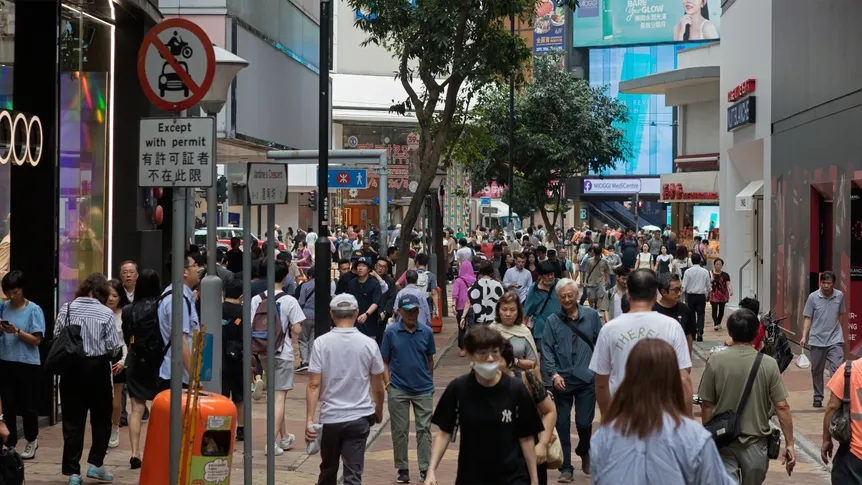
For many healthcare groups, fringe-core districts may present a more practical option. Areas such as Mong Kok, Jordan, West Tsim Sha Tsui, and Causeway Bay combine strong transport links and public recognition with a wider range of building types and more operational flexibility.
Compared with top-tier core locations, these districts may provide more suitable floor plates, more manageable rents, and better conditions for accommodating medical infrastructure. This makes them particularly attractive for dental centres, imaging services, or integrated health screening clinics that require both visibility and technical practicality.
For operators seeking a flagship presence without the full constraints of the most premium districts, fringe-core areas can provide a strong middle ground between branding and function.
The best site is the one that fits the operation
There is no universal formula for medical site selection in Hong Kong. The right location depends on whether the premises fit the operator’s service model, equipment needs, compliance obligations, and growth strategy. A consultation-led specialist practice may perform well in a prime business district, whilst an equipment-intensive or scalable medical operation may be better suited to a technically capable regional centre.
Ultimately, successful medical expansion is not just about securing space in a prestigious area. It is about choosing premises that can support safe operations, efficient fit-out, regulatory compliance, and long-term business performance.
In Hong Kong’s evolving healthcare property landscape, the smartest occupiers will be those that prioritise fitness for purpose over address alone.













 Read Here
 Advertise
 Sign Up