Bengaluru industrial vacancy to remain under 8% over the next 4 years
Logistics stock is expected to hit 79.3m sq ft by 2027.
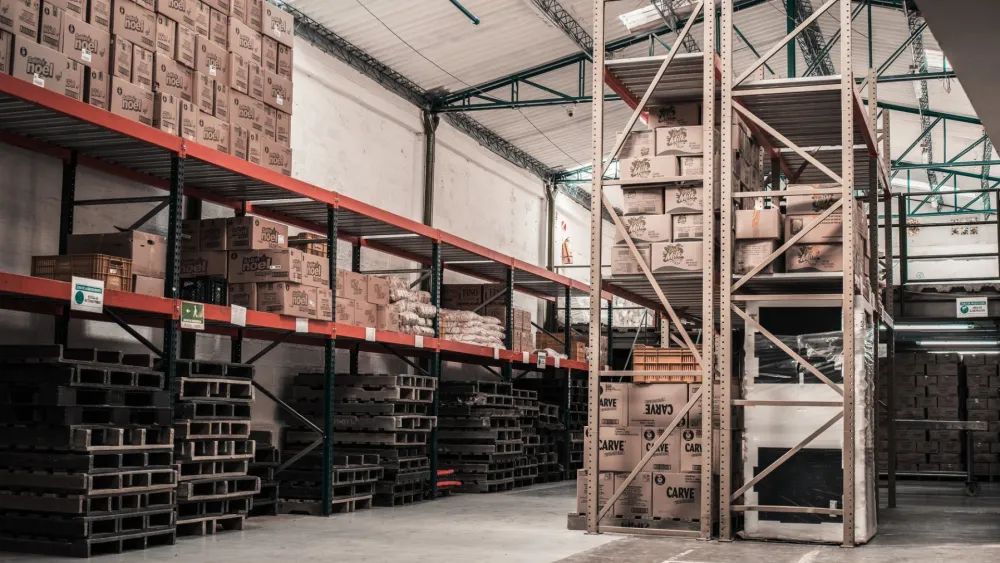
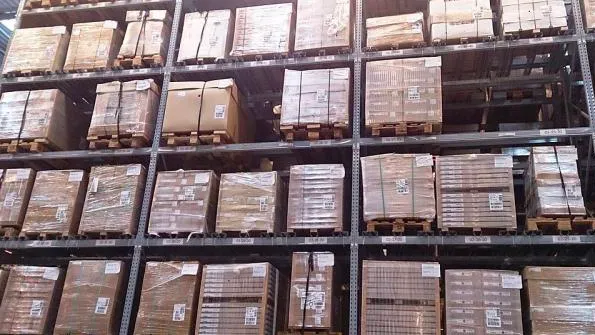
Bengaluru's warehousing market continued its growth trajectory in the first quarter of 2026, with strong occupier demand pushing vacancy lower and supporting rental growth, according to JLL.
Net absorption reached 1.9 million sq ft during the quarter, while gross absorption totalled 2.9 million sq ft. Tumkur Road accounted for the largest share of demand, followed by Hoskote-Devanahalli and the Hosur Road-Hosur City corridor.
Third-party logistics and engineering occupiers were the primary demand drivers, accounting for 54% of total leasing activity. Electronics, FMCG and e-commerce companies also remained active in the market.
The city added 1.6 million sq ft of new warehouse space during the quarter, a 3% increase from the previous quarter. Hoskote-Devanahalli recorded the largest share of new completions.
Approximately 80% of new Grade A supply was delivered through institutionally backed developments, highlighting the growing role of major logistics developers and investors.
Vacancy fell by 60 basis points quarter-on-quarter to 9.5%, as demand exceeded new supply. Prime Grade A vacancy remained particularly tight at just 3%.
Rents increased 4.1% year-on-year, supported by strong occupier demand, institutional investment activity and higher land costs.
According to JLL, Bengaluru's total warehousing stock is expected to reach 79.3 million sq ft by 2027. Infrastructure initiatives including the Bengaluru-Mumbai Industrial Corridor and Chennai-Bengaluru Industrial Corridor are expected to underpin future demand, with vacancy forecast to remain below 8% over the next four years.














 Read Here
 Advertise
 Sign Up