Three in four APAC workers now view return-to-office positively
But the physical workplace remains a critical factor in employee satisfaction.
Asia Pacific’s workforce is entering a new phase of workplace evolution, where flexibility, wellbeing, and skills development are becoming as important as salary in attracting and retaining talent.
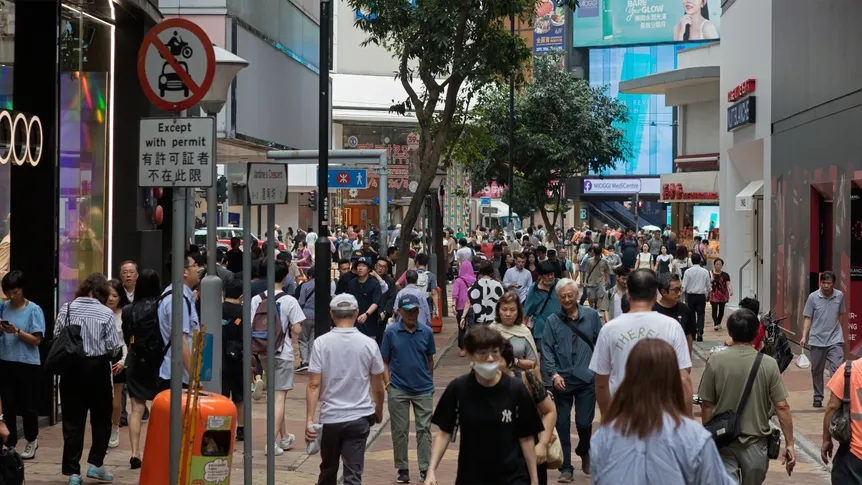
According to new research from JLL, as hybrid work becomes more permanent, with 71 percent of Asia Pacific workers now subject to mandated office attendance, employee perception of the office is shifting.
“Notably, 75 percent of the workforce now view return to office policies positively. However, employees are increasingly demanding greater control over their time, more supportive workplace environments, and stronger opportunities to prepare for the future of work,” the research revealed.
Here’s more from JLL:
JLL’s 2025 Workforce Preference Barometer gathers insights from 3,100 office workers across nine markets in Asia Pacific employed at organisations with more than 1,000 staff members and representing sectors from finance to technology, manufacturing and public services. The research outlines the workforce’s biggest challenges and priorities and how corporate real estate and business leaders can work together to design and curate office spaces that meet employee needs well into the future.
“The conversation in Asia Pacific has shifted from where people work to how work fits into their lives,” said Susheel Koul, CEO, Real Estate Management Services, Asia Pacific, JLL. In 2025, the organisations that will win the talent race are those that balance structure with autonomy, prevent burnout, and prepare their people for the opportunities and challenges of the future.”
Flexibility shifts from location to time
While the early years of hybrid work revolved around location choice, 2025 marks a shift in employee priorities. Flexibility is now defined by control over working hours rather than simply the ability to work remotely. 59 percent of Asia Pacific employees say flexible hours would improve their quality of life, and 54 percent would choose a new employer based on flexibility offerings alone. Yet, a significant gap between demand and expectations remains, with many organisations still offering rigid schedules despite employees’ clear preference for time autonomy.
Workplace experience still matters
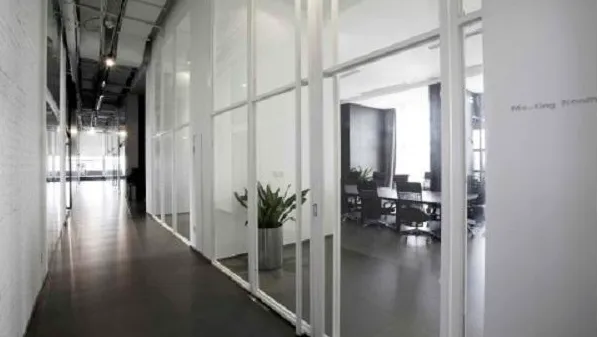
Beyond flexibility and skills, the physical workplace remains a critical factor in employee satisfaction. While most workers are content with basics such as workplace hygiene, desk availability, lighting, and collaboration spaces, many are calling for enhancements that support creativity, wellbeing, and community. Access to outdoor areas, wellness and recharge zones, and spaces designed to inspire innovation are among the top requests. Immersive company culture experience, such as opportunities to connect with colleagues and organisational values, prove increasingly important in an era of hybrid work.
“Employers that wish to attract and retain top performers must move beyond simply mandating office attendance. Instead, they should focus on creating workplaces that employees actively want to be part of, offering flexibility that genuinely improves quality of life, addressing burnout through sustainable work practices, and investing in inclusive, future-focused skills development,” said Kamya Miglani, Head of Work Dynamics Research, Asia Pacific, JLL.










 Read Here
 Advertise
 Sign Up