Bangkok prime retail stock stable at 3.8m sqm
The market is being driven by ongoing renovations and a healthy pipeline of projects.
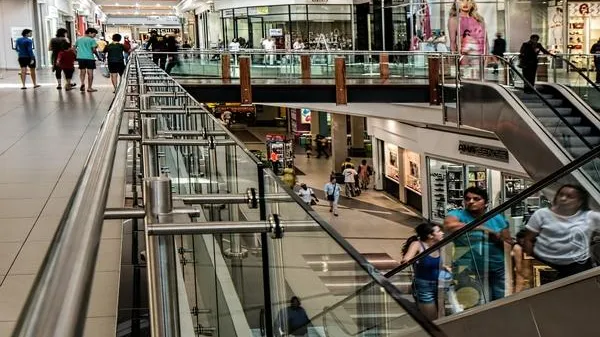
Prime retail vacancy in Bangkok improved by 48 bps q-o-q to 4.7%, nearing Q4 2024 level, according to a report from JLL. The current rate remained approx. 1 % point higher than the post-COVID peak of 3.9%, as ongoing absorption continued within newly opened and extensively renovated malls across the market.
“The prime retail stock remained stable at 3.8 million sqm, with no new additions or withdrawals recorded. Despite this, market activity retained its dynamism, propelled by significant ongoing renovation initiatives and a robust pipeline of large-scale projects,” the report said.
Here’s more from JLL:
Bangkok’s prime retail market recorded a positive net absorption of 18,534 sqm. This recovering demand trend stemmed from the gradual re-opening of renovated mall zones and proactive efforts by centres launched in late 2024 to secure higher occupancy rates.
The market continued to benefit from international brand expansion, notably led by new variety store and collectible toy concepts. Meanwhile, fashion, particularly sport-oriented brands, and F&B tenants remained prominent drivers of international activity in H1 2025.
Market yield compresses by 5 bps as rental growth decelerates
Prime rental rate saw its lowest quarterly growth at 1.1% q-o-q since Q2 2023, influenced by subdued consumer and international tourist sentiment. Consequently, some developers have adjusted their rental expectations as part of initiatives to achieve higher occupancy.
As rental growth slowed and intensified competition leading to increased operational costs – from elevated marketing and events to more favourable leasing offers. These factors collectively contributed to market yield compressing by 5 bps during the period.
Outlook: Bangkok’s retail market to navigate multiple challenges amidst uncertainties
Weakening consumer sentiment, stemming from recent economic downturns and political uncertainty alongside disrupted tourism recovery – particularly regarding Chinese visitors – will exert significant pressure on the market in the near-term.
With constrained growth in shopper demand, intense competition in the market is expected to persist. The imperative to capture limited consumer spending and secure tenancies will drive innovative retail concepts as developers prioritise strategic differentiation.











 Read Here
 Advertise
 Sign Up