Jakarta prime logistics supply to reach 3.2m sq ft in 2025
Record demand expected in FY2025 is set to drive vacancy rates to single digits.
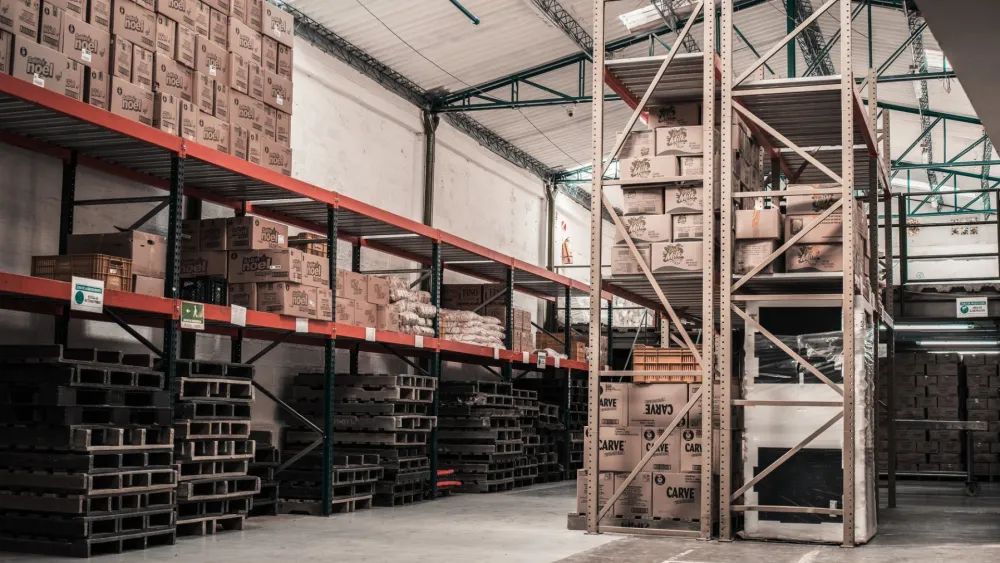
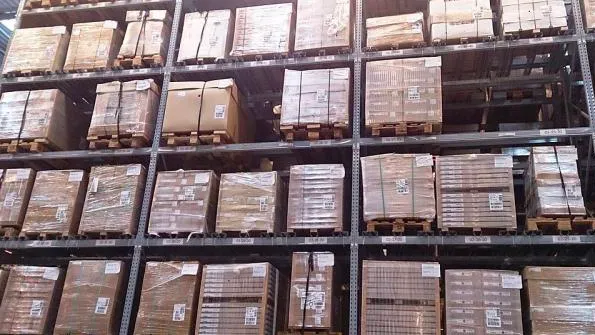
According to a JLL report, new logistics supply in Jakarta was set to come online with a total annual addition of almost 250,000 sqm in 2025, with projections reaching 3.2 million sqm of total cumulative supply while maintaining single-digit vacancy rates of approximately 9%.
Several barriers needed addressing to enhance global competitiveness and sustain FDI, including permitting processes and supporting facilities within industrial estates, the report added.
Here’s more from JLL:
More than 50% of total inquiries came from Chinese companies seeking multi-functional industrial spaces that combined warehousing, workshop, and assembly operations. The EV sector, electronics, and automotive industries contributed to modern logistics warehouse demand.
Net absorption maintained a healthy pace exceeding 100,000 sqm, matching the previous quarter’s performance. Most demand came from facilities in Cikarang with good accessibility to toll gates, with additional activity in Depok-Bogor and Karawang.
Tight vacancies of 5.9% continue with some supply expected to be completed in the third quarter
No completions in Q2 caused vacancy rates to tighten from 9.5% to 5.9% amid healthy demand, demonstrating market resilience. The market anticipated new completions in H2 2025 with projects in Jakarta, Cikarang, and Karawang, totalling approximately 242,600 sqm.
The eastern corridor (Cikarang and Karawang) was set to contribute a new supply of 102,400 sqm in H2 2025. This area maintained its status as the preferred location for foreign manufacturing companies testing the domestic market before further expansion.
Stable rental rates prevail as landlords deploy flexible pricing strategies to attract tenants in eastern corridor
Net rents held steady from Q1, with competitive pricing in Cikarang and Karawang. Properties near toll gates or with limited availability saw slight price increases. Cikarang offered especially competitive rates to attract tenants.
Modest rental growth against escalating land prices drive yield to compress between 7.0-7.5%. Limited industrial land availability continued driving prices up, especially in eastern Jakarta.













 Read Here
 Advertise
 Sign Up