Japan office market sees robust investment and rental growth amidst tight supply
Investments hit JPY2.1 trillion in the first three quarters of 2025.
Japan’s office sector continues to attract strong investor interest, with transaction volumes reaching JPY2.1 trillion in the first three quarters of 2025, a 7% increase from the same period in 2024, according to Savills’ latest market report. Savills notes that office cap rates have remained tight at 2.6%, reflecting sustained demand for prime office assets. Notable deals include Mitsubishi UFJ Financial Group’s acquisition of Osaka Dojimahama Tower for over JPY100 billion.
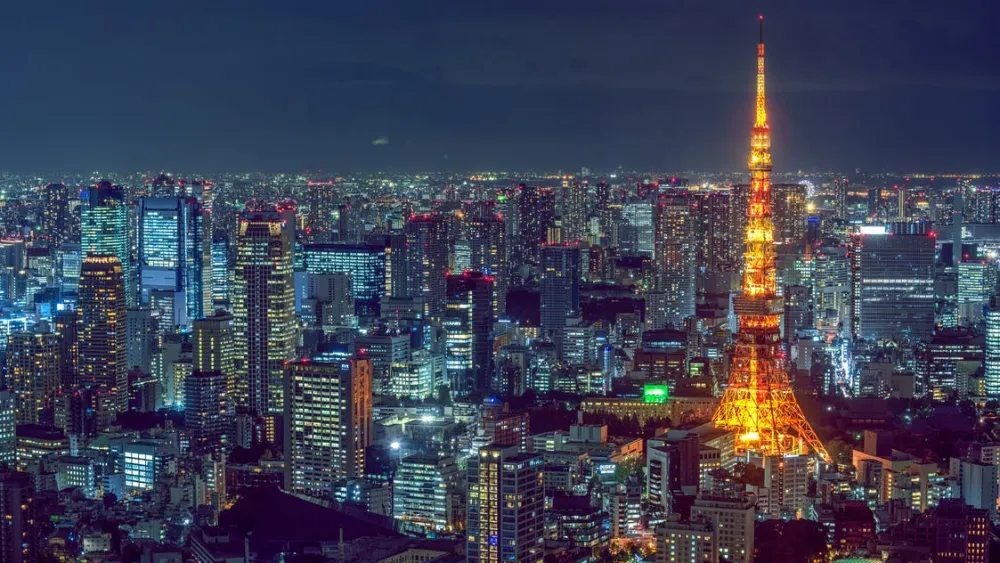
The Tokyo Central 5 Wards (C5W) office market is particularly tight, with vacancies in Grade A buildings approaching pre-pandemic lows, even as bay area offices experience large-scale absorption. Savills highlights that while average rents in the C5W are still below pre-pandemic levels, the limited availability of large floor plates allows landlords to aggressively increase rents when vacancies arise.
Corporate expansion and strong performance across Japan are driving demand for modern office space. Companies are prioritising premium offices with advanced amenities to attract and retain talent, particularly as the labour market remains tight. This trend is mirrored in regional hubs. For example, JP Tower Osaka has reached top rents of JPY50,000 per tsubo, rivaling Tokyo C5W levels, while The Landmark Nagoya Sakae, opening in March 2026, is commanding record-high top rents of JPY40,000 per tsubo.
Development remains constrained by labour shortages, high construction costs, and limited land availability. Delays in Tokyo, including the TOFROM Yaesu Tower, now scheduled for early 2026, have smoothed supply absorption, while new supply in Osaka and Nagoya is expected to remain limited beyond 2026. Several regional projects, including the Meitetsu Nagoya Station District Redevelopment and Hakata Station Sky City, have been paused due to cost pressures.
Savills observes that modern office assets near major train stations continue to outperform, whereas older buildings in less accessible locations face increasing competitive pressure. The performance gap between prime and secondary offices is expected to widen, with constrained new supply supporting further rental growth in both Tokyo and regional markets.
“Japan’s office market is entering a phase of selective expansion,” Savills stated. “Limited new supply, robust corporate demand, and a focus on modern amenities are underpinning both rental growth and investor confidence, particularly for prime, well-located buildings.”








 Read Here
 Advertise
 Sign Up