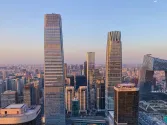
Central Tokyo residential rents outpace average as C5W premium widens to 21.7% in Q4
Higher wage growth amongst skilled professionals is driving rental growth in Central wards.
The residential leasing market across Tokyo’s 23 wards (23W) continued to record strong rental growth in Q4/2025, with nearly all constituent wards posting increases, according to a report by Savills.
Savills noted that Tokyo’s rental market fundamentals remain robust, supported by steady wage growth and sustained demographic inflows, creating further room for rental upside.
Net Migration Continues to Support Demand
Net migration into the Tokyo 23W remained a key driver of rental demand. In 2025, the area recorded an annual net inflow of 95,000 residents. While slightly below the record levels seen in 2024, this figure remains above pre-pandemic norms.
In Q4/2025 alone, Tokyo saw a net inflow of 16,000 new residents, driven mainly by foreign nationals. Savills highlighted that foreign residents typically have a higher propensity to rent, reinforcing leasing demand across the capital.
Wage Growth Provides Tailwinds, but Affordability a Concern
Japan has experienced robust wage growth in recent years. Based on the Ministry of Health, Labour and Welfare’s January 2026 survey of spring wage negotiations at major private-sector companies, the average forecast for 2026 Shunto wage growth is above 5%.
However, Savills cautioned that affordability remains a key factor influencing migration patterns and rental demand. Living costs remain elevated, and households that have yet to benefit meaningfully from wage increases continue to face inflationary pressures.
As a result, more affordable peripheral wards have gained appeal among cost-conscious households, even as central locations continue to outperform.
Central Five Wards Command Higher Premium
The premium commanded by the Central Five Wards (C5W) over the 23W average widened to 21.7% in Q4/2025.
According to Savills, central wards continue to post strong rental growth, supported by higher wage growth among skilled professionals and renewed demand as companies encourage employees to return to the office.
From a leasing structure perspective, ordinary leases remain the most common type in Japan and provide strong tenant protections under the Act on Land and Building Leases, making rent increases difficult even at renewal.
However, Tokyo has seen a growing shift toward fixed-term leases, which give landlords greater flexibility and the opportunity to adjust rents upon contract expiry. Savills noted that this trend is particularly pronounced in the C5W and partially explains the sharper rental increases recorded in recent years.
Rising Condo Prices Push Households Toward Renting
On the supply side, persistently high construction and land costs have led developers to be increasingly selective, resulting in limited new condominium supply.
At the same time, for-sale condominium prices in the Tokyo 23W have continued to climb, reaching a record average of JPY133 million per new unit in Q3/2025. Combined with rising borrowing costs, this has prompted a growing number of households to turn to the rental market instead of purchasing homes.
Outlook: Rental Momentum Likely to Persist
Savills’ findings suggest that Tokyo’s rental market remains underpinned by solid demographic trends, wage growth and constrained for-sale housing supply.
While affordability pressures may drive some households toward more peripheral wards, strong demand fundamentals — particularly in central Tokyo — are expected to sustain rental growth momentum in the near term.









 Read Here
 Advertise
 Sign Up