Prime assets and income security drive Asia Pacific property investment trends
Colliers says cap rates in the region remained stable amidst macroeconomic uncertainty.
Cap rates across Asia Pacific stabilised in the first quarter of 2026 as investors increasingly focused on prime assets and defensive property sectors, according to Colliers’ Q1 2026 Cap Rates Report.
Colliers said capital deployment across the region has become more selective, with investors targeting high-quality, income-secure assets amid ongoing macroeconomic uncertainty. The consultancy noted that Asia Pacific continues to demonstrate resilience, supported by deep domestic capital pools and long-term economic fundamentals.
“Across Asia Pacific, cap rates have remained largely stable, reflecting a more balanced investment environment as macroeconomic pressures persist,” said CK Lau, Managing Director, Asia Valuation & Advisory Services at Colliers. He added that investors are prioritising resilience and income stability, with stronger focus on prime assets and sectors backed by long-term fundamentals.
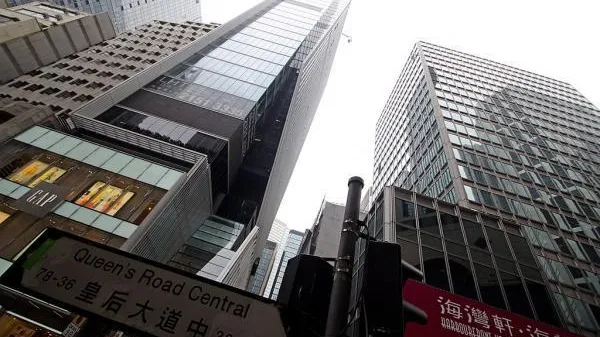
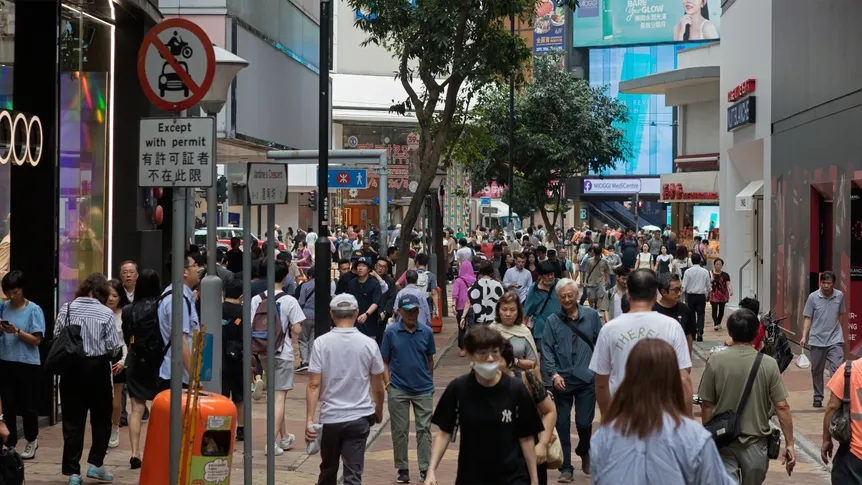
According to the report, office markets continued to experience a flight to quality, with occupiers upgrading to premium buildings in central business districts and transport-connected locations. Retail markets also showed early recovery signs in several cities, supported by resilient occupier demand and selective investment activity, including a rebound in Hong Kong transaction volumes.
Industrial and logistics assets remained among the strongest-performing sectors, underpinned by demand linked to e-commerce growth, supply chain resilience and logistics expansion, particularly in Jakarta.
Colliers said market conditions varied across the region. Australia and Japan continued to show stability despite evolving macroeconomic conditions, while India maintained strong momentum supported by robust office leasing activity and rental growth. New Zealand also remained relatively resilient due to solid economic fundamentals and sustained investor activity.
In Greater China, Beijing continued to face oversupply and weaker demand conditions, while Shanghai saw stronger domestic-led investment activity. Hong Kong showed early signs of stabilisation on lower borrowing costs and resilient occupier demand. Singapore and Tokyo remained stable in prime segments as investors focused on income security and long-term capital preservation.
Meanwhile, Southeast Asian markets such as Jakarta and Manila recorded mixed conditions, with demand concentrated in high-quality and logistics-led assets.
“While macroeconomic uncertainty continues to influence sentiment, Asia Pacific remains well-positioned due to its domestic liquidity and structural growth drivers,” Lau said. “We expect investment to remain targeted, with investors seeking clarity, quality and conviction in an evolving market environment.”
















 Read Here
 Advertise
 Sign Up