Industrial estates drive regional economic growth
Infrastructure and decentralisation reshape countryside development.
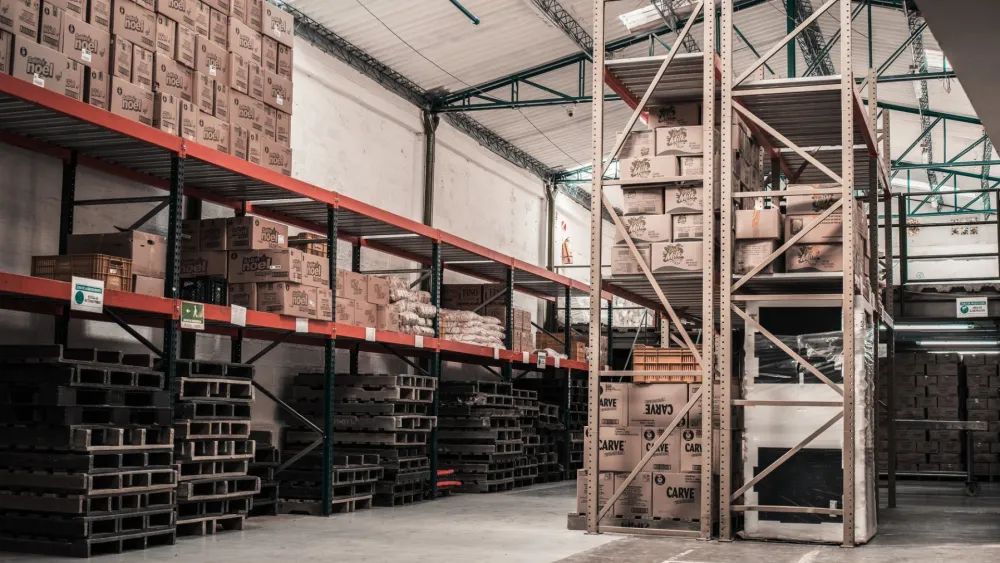
Industrial estates outside Metro Manila are emerging as key drivers of decentralisation, with integrated hubs like LIMA Estate in Batangas creating jobs, strengthening infrastructure and accelerating regional economic growth.
Monica L. Trajano, Vice President and Head for Commercial Strategy and Residential Business Unit at Aboitiz Economic Estates & Aboitiz Land said LIMA’s model is anchored on industrial development as the foundation for broader economic activity. “For us, industry is what really creates the momentum,” she said. “When you start with manufacturing and export industries, you're not just developing land… we're creating jobs, supporting supply chains and economic activity as a whole.”
This approach has led to the growth of a broader ecosystem around the estate, including housing, commercial services and education. Trajano said such developments transform industrial parks into integrated economic centres where people can live and work in the same area.
Infrastructure reliability is critical in sustaining this model. Trajano said investors prioritise consistent utilities over basic availability. “We want to make sure that power is stable, water systems are secure, digital connectivity is strong, and operations can continue even during disruption.”
She added that estates must function as self-contained systems to support business continuity. “Infrastructure surely gets the companies in the door, but reliability is what makes them really stay.”
Beyond industrial growth, these estates are contributing to decentralisation by bringing jobs closer to where people live. “We want to be able to bring opportunities closer to where the people already live,” Trajano said, noting that workers no longer need to migrate to Metro Manila for employment.
This shift is helping ease congestion in major cities whilst supporting more balanced regional development. “Communities are developing alongside these industries, thereby creating the decentralisation from Metro Manila,” she said.
Trajano added that industrial hubs generate long-term economic impact through a multiplier effect. “When a major manufacturer locates in an estate, it rarely operates in isolation,” she said, as suppliers and service providers follow, strengthening local supply chains.










 Read Here
 Advertise
 Sign Up







Commentary
Hong Kong hospitality: Momentum and the new lifestyle era
Understanding Hong Kong’s new land premium policy
When a factory changes investment: The case for India’s Sonipat