APAC prime office rents post first rebound in three years
Flight to quality, limited supply, and sector-led demand fuel a cautious recovery.
Prime office rents in Asia-Pacific have registered their first quarterly increase in nearly three years, rising 0.2% in Q2 2025, according to Knight Frank’s Asia-Pacific Office Highlights report. After years of stagnation and decline, experts point to shifting occupier behavior, strong demand for Grade A spaces, and supply constraints as the forces driving the long-awaited turnaround.
Christine Li, Head of Research Asia Pacific at Knight Frank, said occupiers are increasingly upgrading to newer and more sustainable buildings. “[Flight to quality] continues to shape occupied behavior, because some of the demand basically is concentrated in the newer, ESG compliant, and well located assets,” she explained.
Limited CBD stock in many core markets has also supported resilience, while incentives in softer markets encouraged tenants to move into higher-grade space.
Mike Davis, Managing Director for Occupier Services, Asia Pacific at Colliers, added that this trend is consistent across the region. “The universal factor across all these markets is flight to quality. Occupiers are increasingly prioritising Grade A properties that reflect their brand, meet their corporate ESG goals and have amenities that will improve their employees' experience,” he said.
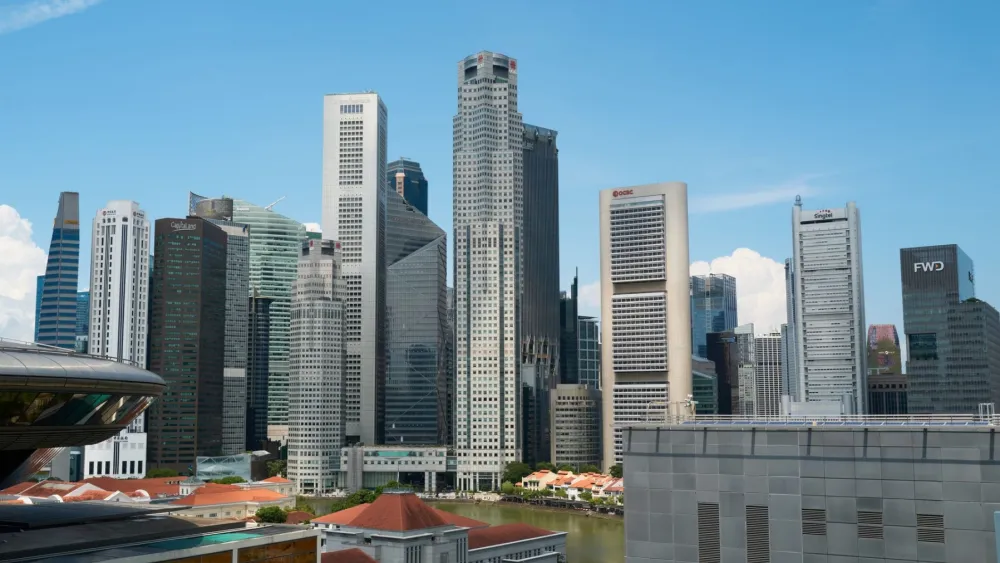
Davis noted demand is up nearly 10% year-on-year across the region’s largest markets, while limited supply in Singapore and Seoul is fueling a shortage of quality space.
The rebound took years due to oversupply and uncertainty. Davis said markets like China and Hong Kong faced high vacancies, while inflation and hybrid work delays slowed decisions. Li added: “The slow rebound really basically reflected a delayed decision making… That overall experiment lasted us for almost three years.”
Australia and India are leading growth. Li cited Brisbane’s 12% annual increase, with Sydney, Melbourne, and Adelaide also recovering. India remains the region’s most active leasing market, supported by global capability centers and flex operators.
Li said the recovery will be gradual: “The best great offices will still be in short demand, but… less desired office space… is going to face a lot of structural vacancies.”
Davis expects demand to strengthen in H2 2025, particularly for green-certified and flexible spaces that support employee needs.












 Read Here
 Advertise
 Sign Up







Commentary
Hong Kong hospitality: Momentum and the new lifestyle era
Understanding Hong Kong’s new land premium policy
When a factory changes investment: The case for India’s Sonipat