Thailand’s industrial market undergoing a structural shift
Investors are focused on establishing more sophisticated operations, not small workshops.
According to a Knight Frank report, in the first half of 2025, Thailand’s industrial property market reflected both global trade turbulence and a deeper structural transition in the economy. The U.S. tariff shock in early 2025 initially disrupted sentiment, prompting exporters to accelerate shipments before duties took effect and causing some foreign investors to delay commitments.
“The later reduction in tariff rates provided partial relief, but the full impact on long-term investment plans remains uncertain. At this stage, tariffs appear to be influencing the timing of decisions and encouraging greater caution among manufacturers, though it is too early to determine whether they will also alter the structure of investment flows,” the report added.
Here’s more from Knight Frank:
Thailand’s economic fundamentals continue to shape this adjustment. With unemployment structurally low and the working-age population in gradual decline, the country no longer depends on labour-intensive manufacturing to absorb surplus workers. Instead, national policy (as reflected in the Board of Investment’s evolving incentive framework) is prioritising higher-value, capital-intensive sectors such as digital technology, electronics, and advanced automotive. These industries align more closely with Thailand’s comparative advantages, including established supply chains, strategic infrastructure, and a skilled workforce in specialised clusters.
Despite global headwinds, exports provided a counterweight in early 2025. Shipments in Q1 rose 15% year-on-year to USD 80.4 billion, the strongest quarterly performance in over three years. This surge was supported by front-loaded deliveries ahead of tariff implementation and by strong demand for technology-related goods, notably computers, electronics, and automotive parts. The resilience of exports during this period underscores the importance of high-value sectors in sustaining Thailand’s external position and sets the stage for interpreting industrial property trends.
Clarity over local content and origin rules also distinguishes Thailand within the region. The country already enforces a 40% local content threshold for many manufacturing sectors under BOI and trade frameworks, providing investors with consistent compliance standards. While the United States has not yet confirmed its own approach, indications suggest it may apply a similar 40% requirement to distinguish genuine local production from transshipment.
If this policy materialises, Thailand’s long-standing compliance framework would give it an advantage over peers with weaker or less transparent enforcement. At the same time, stricter requirements could discourage investors who rely on minimal transformation, particularly in lower-margin segments, leading to more selective but higher-quality investment flows.
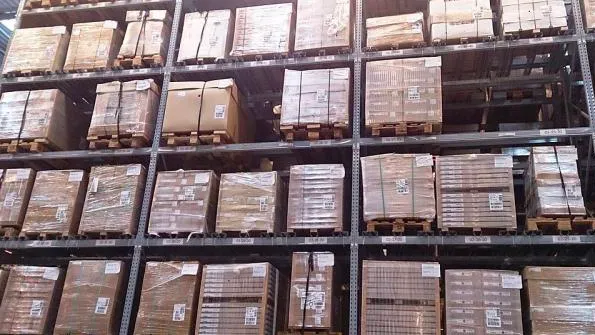
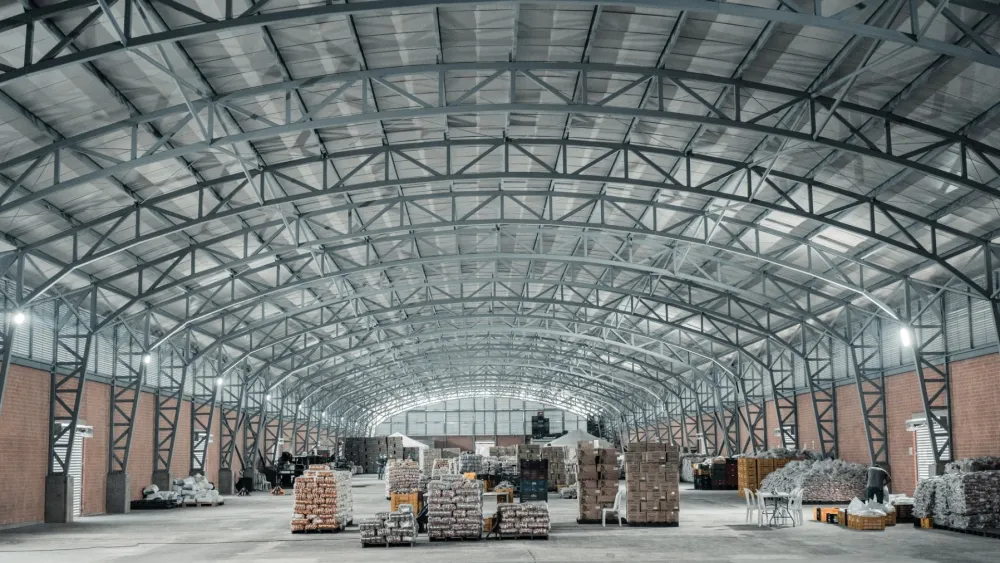
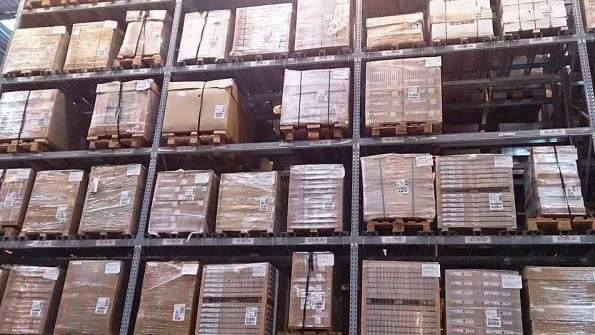
The market indicators from H1 2025 reflect these dynamics. Industrial land transfers fell by 42% year-on-year, while new factory operations and expansions contracted compared with the same period in 2024. At the same time, foreign direct investment approvals increased by 86% year-on-year in Q1 2025, led by a sharp rise in digital and electronics projects. Ready-built factory occupancy remained high at 96.2% nationwide, with the Eastern Economic Corridor near full capacity, underscoring ongoing demand for flexible, immediately available space despite wider uncertainty.
Marcus Burtenshaw, Partner – Head of Industry Strategy & Solutions, Knight Frank Thailand, commented: "While the number of new factory registrations is declining, this does not indicate weakness in the market. Rather, it reflects a structural shift in Thailand’s industrial base toward more capital-intensive, high-value sectors such as electronics and advanced automotive. Investors are no longer focused solely on building small workshops, but on establishing larger, more sophisticated operations that align with the country’s long-term strengths."
Looking ahead, global trade policy developments will remain a key swing factor for investor sentiment. Export growth provided an important cushion in the first half of 2025, though part of this strength reflected accelerated shipments ahead of tariff implementation, which may weigh on momentum in the second half. In the near term, land sales may continue to moderate as manufacturers weigh tariff risks and reassess supply chain strategies.
However, Thailand’s established infrastructure, policy direction, and sectoral focus suggest that it remains well positioned to capture high-value investment over time. The balance of activity is likely to shift further toward capital-intensive projects and flexible space solutions, even as the overall number of new factory operations remains lower than in previous cycles.








 Read Here
 Advertise
 Sign Up