APAC real estate investment market driven by ‘multispeed’ dynamics
Total investment increased 18% to USD35 billion in Q3.
In Q3/2025, the Asia-Pacific (APAC) real estate investment market exhibited a steady yet uneven recovery, driven by “multispeed” dynamics amid US trade uncertainties and dovish monetary policies across regional economies, according to a Savills report.
Investment volumes rose 18% quarter-on-quarter to US$35.0 billion, propelled by cross-border activity.
Here’s more from Savills:
Tokyo, Osaka, Sydney, and Singapore, attracted interest, with Japan, Australia, and South Korea benefiting from diversification by U.S. and European investors. In contrast, China continues to grapple with weak sentiment and declining transaction volumes.
Japan’s real estate market remains robust, valued for its security, liquidity, and maturity despite monetary policy uncertainties. Logistics sector values are being underpinned by limited supply and strong demand for modern facilities.
Hospitality and high-street retail are flourishing, driven by tourism and consumer spending, while residential rental growth remains steady, supported by urbanization, an aging population, younger generations delaying homeownership and increasing numbers of foreign residents. The office market is performing strongly, with low vacancy rates and active leasing, sustaining competitive acquisitions.
Australia’s market gained momentum, fueled by the Reserve Bank of Australia’s rate cuts to 3.60% by August, boosting investor confidence. Investment volumes surged 27.5% quarter-on-quarter and 33.8% year-on-year, led by the industrial and retail sectors, with cautious confidence in offices and residential growth constrained by affordability. Australia continues to offer stable, risk-adjusted returns, positioning it as a core APAC haven.
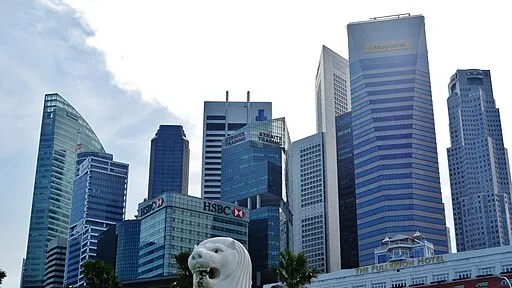
Singapore’s real estate market stands out in APAC, characterized by resilience and steady growth despite global economic uncertainties. Its stable political environment, limited land supply, and appeal to crossborder investors is driving performance. Transaction volumes nearly doubled from the previous quarter, despite a slight year-on-year drop. Offices remain a top investor choice, while industrial and logistics sectors are being fuelled by e-commerce growth and manufacturing relocations under the “China plus one” strategy.
While countries like Vietnam and India often capture the bulk of low-cost assembly relocations, Singapore positions as a hub for high-value and strategic functions with a spillover effect on real estate, FDI and economic growth. A tourism recovery is also boosting high-street retail and hospitality, with RevPAR growth driven by short-haul visitors.
Looking ahead, cautious confidence prevails, supported by easing monetary policies and stabilizing economies. Investors are targeting core markets like Japan, Australia, and South Korea, where logistics, rental housing, and data centres appeal due to digital infrastructure demand and demographic trends.
Office and retail sectors face challenges from evolving work and consumer patterns, but prime locations are showing resilience with steady leasing and selective rental growth. Despite trade uncertainties and localized oversupply, APAC’s diverse markets offer attractive opportunities for patient capital, particularly in emerging hubs and alternative assets, setting the stage for a promising recovery in 2026.














 Read Here
 Advertise
 Sign Up