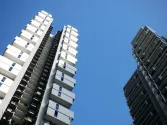
Prime office space scarcity to lift Kuala Lumpur office rents
No new completions are expected in 2028.
Kuala Lumpur’s office market is poised for a strategic leap forward as tenants increasingly prioritise premium, sustainable workplaces, supported by a measured supply pipeline and limited new completions in the near term, according to a report by JLL.
The consultancy notes that the economic environment is creating strong incentives for businesses to upgrade into high-quality, green buildings to enhance operational efficiency, attract talent and meet long-term ESG goals.
JLL highlights that no new office completions are expected in 2028, a factor that could indirectly place upward pressure on prime rents due to the scarcity of quality green space. Between 2026 and 2030, supply deliveries are expected to be evenly distributed across submarkets, allowing for a balanced expansion cycle.
In 2025, with no new completions entering the market, demand expanded at a measured pace, recording approximately 430,000 sq ft of net absorption. According to JLL, many occupiers spent the latter part of the year undertaking comprehensive relocation assessments, reflecting a more strategic and deliberate approach to real estate decision-making.
Shared services firms remained key demand drivers, particularly within the Kuala Lumpur Fringe (KLF) and Damansara Corridor (DC) areas, while technology companies fuelled leasing activity in the Kuala Lumpur City (KLC) submarket. JLL observed that the flight-to-quality trend continued to gain traction, as long-term tenants opted to relocate into premium buildings rather than remain in ageing or deteriorating assets.
As tenants migrate to higher-specification offices, older buildings have experienced rising vacancy. JLL noted that government initiatives offering 10 percent tax deductions may encourage landlords to repurpose underperforming commercial assets into residential units, potentially alleviating structural oversupply pressures in the office sector.
Rental dynamics reflected tightening conditions in prime locations. JLL reported that overall office rents reached RM6.81 per sq ft in 2025, marking a 0.33 percent year-on-year increase. Rental growth was particularly evident in established prime areas such as Tun Razak Exchange and Bangsar South, where constrained supply of quality space, alongside SST expansion and inflationary pressures, enabled landlords to command premiums.
Investment transactions remained relatively limited and were largely driven by domestic players. Beyond owner-occupation acquisitions, JLL said activity centred on value-add strategies, including asset refurbishment and tenant repositioning initiatives aimed at capturing demand for upgraded space.
Looking ahead, JLL believes Kuala Lumpur’s office market is entering a transformative phase defined by future-ready workplaces. Tenants are expected to continue capitalising on favourable conditions to upgrade into premium, sustainable buildings that support employee wellbeing and long-term cost efficiencies.
With limited prime supply in certain years and a growing emphasis on quality, JLL maintains that Kuala Lumpur’s office sector is strategically positioned to strengthen its fundamentals, as businesses increasingly view premium, green-certified offices not merely as a cost, but as a long-term investment in resilience and competitive advantage.







 Read Here
 Advertise
 Sign Up