Singapore warehouse leasing demand hits record highs in 25 years
Warehouse leasing activity climbed 6.9% to 2,021 transactions in 2025.
Leasing activity in Singapore’s industrial market remained measured in the fourth quarter of 2025, as overall sentiment stayed cautious amid global economic and political uncertainties. However, stronger warehouse demand helped lift full-year performance, according to a recent report by Savills.
Modest Full-Year Growth Backed by Warehouse Strength
Savills reported that total leasing volume for factory and warehouse space rose marginally by 1.4% year-on-year (YoY) in 2025, reaching 12,208 transactions.
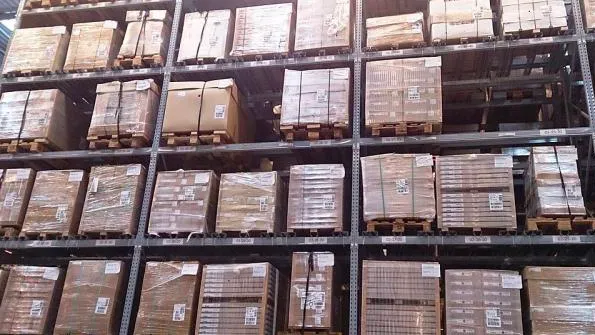
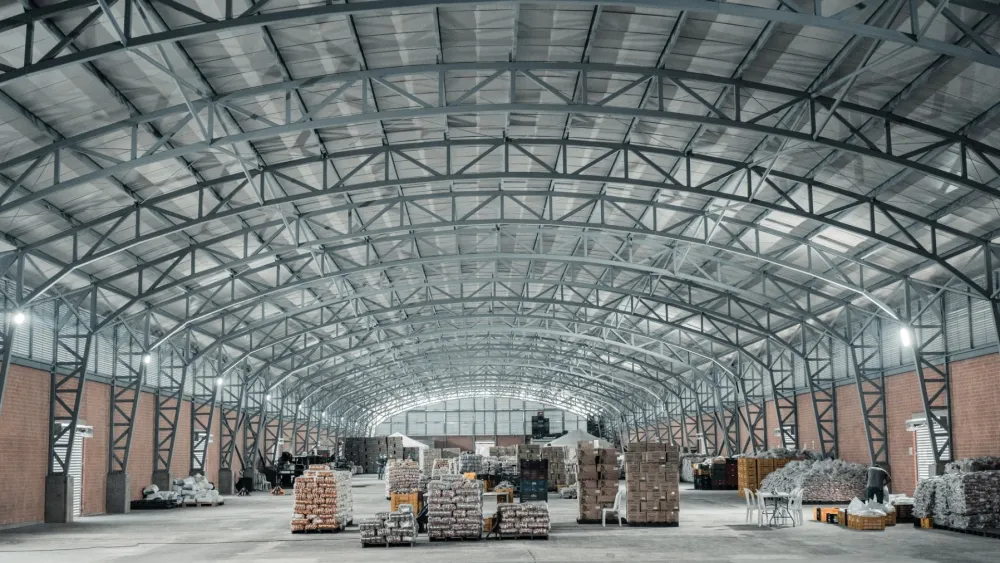
The consultancy attributed this growth largely to a surge in warehouse leasing activity, which climbed 6.9% YoY to 2,021 transactions — the highest level recorded since data collection began in 2000. Savills noted that sustained demand for cold storage facilities and modern logistics warehouse space underpinned this performance.
Despite subdued activity in Q4/2025, the warehouse segment continued to demonstrate resilience relative to factories, supported by structural demand from logistics and supply chain operators.
Vacancies Reflect New Supply Wave
While leasing demand improved, vacancy rates remained elevated due to significant supply completions earlier in the year.
According to Savills, the warehouse vacancy rate declined slightly by 0.2 percentage points quarter-on-quarter (QoQ) to 10.2% in Q4/2025. However, this remained well above the 8.5% recorded a year earlier, reflecting substantial new supply delivered in the first half of 2025.
Major additions included Maersk’s World Gateway 2 (WG2) facility and Mapletree Joo Koon Logistics Hub. Savills highlighted that WG2 is a single-user ramp-up warehouse for owner-occupation, while Mapletree Joo Koon Logistics Hub is expected to require more time to stabilise occupancy.
In the factory segment, overall vacancies continued to rise in Q4/2025 amid ongoing supply additions and slower take-up.
Multiple-user factory vacancies increased to 10.1% in Q4/2025, up from 9.0% in Q4/2024, partly due to new completions such as Bulim Square. Meanwhile, single-user factory vacancies edged up by 0.3 percentage points QoQ, although they remained below the 12.0% level recorded a year earlier, as most developments were largely pre-committed.
Prime Warehouse Rents Hit New High
Rental performance mirrored the divergence between warehouse and factory segments.
Supported by steady warehouse take-up, JTC’s warehouse rental index rose 1.1% QoQ to a new record high in Q4/2025, representing a 3.0% increase from a year earlier.
According to Savills’ basket of private industrial properties, prime warehouse and logistics rents posted stronger growth, rising 5.7% YoY to S$1.83 per sq ft in Q4/2025.
In contrast, rental growth in the factory segment moderated. JTC’s multiple-user factory rental index recorded slower growth of 1.8% YoY in 2025. Savills added that prime multiple-user factory rents rose by a more modest 1.1% YoY to S$2.31 per sq ft in Q4/2025, easing from the 2.8% YoY growth seen in 2024.
Outlook: Diverging Trends Within Industrial Market
Savills’ findings underscore a clear divergence within Singapore’s industrial market. While the factory segment faces rising vacancies and moderating rental growth due to fresh supply and cautious occupier sentiment, the warehouse and logistics segment continues to benefit from structural demand drivers, particularly in cold chain and modern logistics facilities.
As global uncertainties persist, leasing activity may remain selective in the near term. However, Savills’ data suggests that well-located, modern logistics assets are likely to remain comparatively resilient within the broader industrial property market.









 Read Here
 Advertise
 Sign Up