Tenant relocations drive Jakarta office demand rebound
Occupancy improved to 75.5% in Q1.
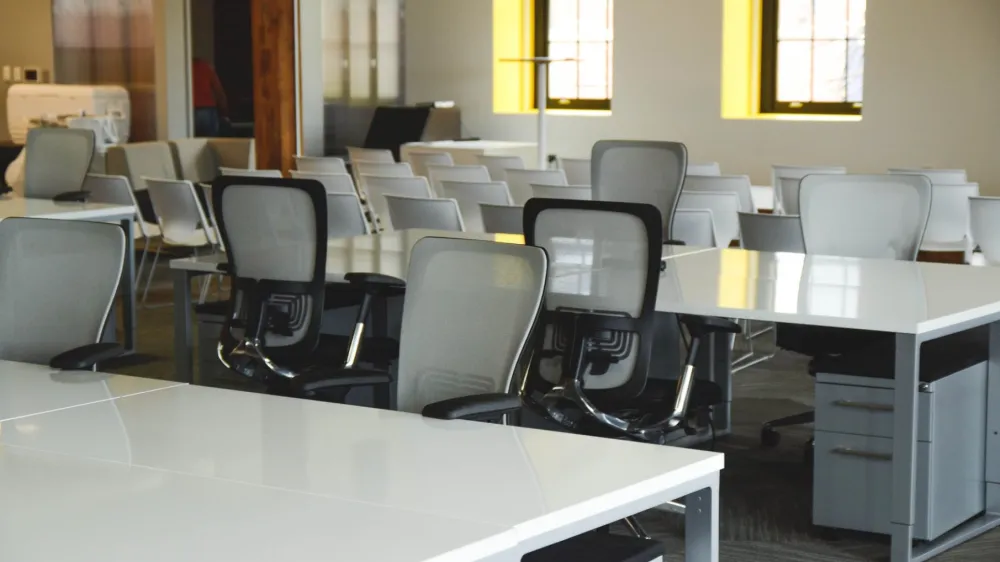
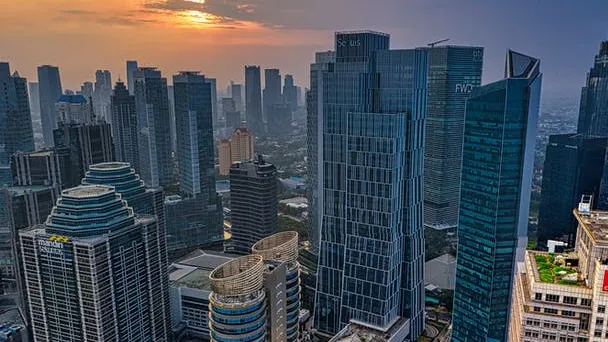
Jakarta’s office market showed early signs of recovery in Q1 2026, with rising tenant enquiries and stronger leasing activity driven by relocations and expansions, according to Colliers.
In its latest report, Colliers noted that occupancy reached 75.5% in Q1 2026, marking a modest quarterly improvement and a 1.5% increase year-on-year, as more occupiers moved from planning into execution.
Demand was increasingly shaped by companies seeking to upgrade workspace quality or expand operations, with relocations emerging as a key driver rather than renewals alone. At the same time, occupiers are becoming more selective, favouring efficient, right-sized office layouts aligned with current headcount and operational needs.
Colliers said newer buildings—particularly those completed from 2016 onwards—are attracting growing interest, especially from tenants relocating out of ageing stock despite continued focus on cost competitiveness.
Leasing demand was led by technology, finance and banking, FMCG and legal firms, alongside activity from automotive and logistics occupiers and new market entrants, including companies from China and the cosmetics sector.
Premium-grade buildings remained the tightest segment, with occupancy nearing 82% and accounting for just 8% of vacant space in the CBD. Grade A offices, which make up the bulk of CBD supply, recorded occupancy of around 76% and are expected to capture a larger share of demand due to greater availability and competitive rents.
According to Colliers, the absence of significant new supply in the near term is supporting a gradual recovery, with CBD occupancy projected to reach 77% by end-2026 and trend towards 80% by 2028.
The report added that relocation demand is expected to remain strong through 2026, particularly for premium and Grade A assets, as occupiers continue to prioritise quality, flexibility and long-term operational efficiency.











 Read Here
 Advertise
 Sign Up