Indonesia
Jakarta apartment stock expected to grow by 2.5% in 2024
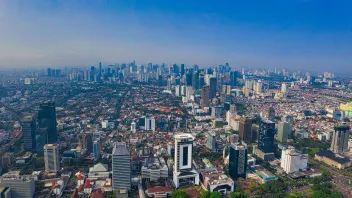
Jakarta apartment stock expected to grow by 2.5% in 2024
The city currently has 226,815 units in stock.
Why Jakarta’s serviced apartment sector holds strong long-term potential

The sector has had notable growth in supply and demand since 2019.
Jakarta’s cumulative retail supply steady at 4.9m sqm in Q3

A few projects are slated to open towards the end of the year.
Apartment take-up rate in Jakarta dips to 87.8% in Q3

Newly launched apartments had a downward pressure on take-up rates.
Jakarta’s office leasing sector remains a tenants’ market

Companies wield strong bargaining power.
Jakarta CBD office occupancy rate reaches 73% in Q3

The occupancy rate outside the CBD was lower at 70%.
Jakarta CBD office supply hits 7.38m sqm in Q3
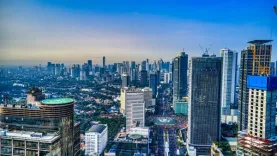
Outside the CBD, supply reached 3.83m sqm during the same quarter.
Jakarta hotel performance set to improve until Q4

Occupancy rates are expected to grow as business activities increase.
Jakarta office occupancy rate forecast to remain low

There is an influx of new supply in the next two years.
Jakarta to see three new service apartments in 2025

These projects will add 648 units to the market.
Three new hotels open in Jakarta in Q2

There were 621 rooms added to the market.
Jakarta office occupancy rate to stabilise at 65% by year-end
Rents are expected to decline at a slower rate.
Jakarta industrial net absorption reaches over 31,000sqm in H1

There was limited supply during the period.
Jakarta serviced apartment rents to increase by 1-2% by year-end
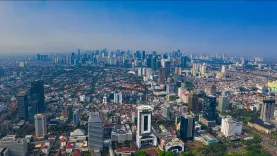
This is due to an influx of new supply in the second half of the year.
Jakarta retail occupancy rate remains stable as tenant retention challenges persist

The occupancy rate was at 74% as of Q2 2024.
How Jakarta mall owners can attract and retail high-quality tenants

Maintaining harmony between tenants and landlords is essential.
Jakarta retail supply to grow by 3% by end-2024

Thanks to three retail projects in the pipeline.
Most Read
1. Japan, Australia and Hong Kong lead distinct APAC living investment trends 2. Over 175,000sqm new office space currently underway in Sydney 3. Bangkok condo launches shift to affordable segments as CBD sees no new supply 4. Suburban malls support Singapore retail market as vacancies remain stable 5. New retail completions to remain below historical average in SingaporeResource Center

 Read Here
 Advertise
 Sign Up
Event News
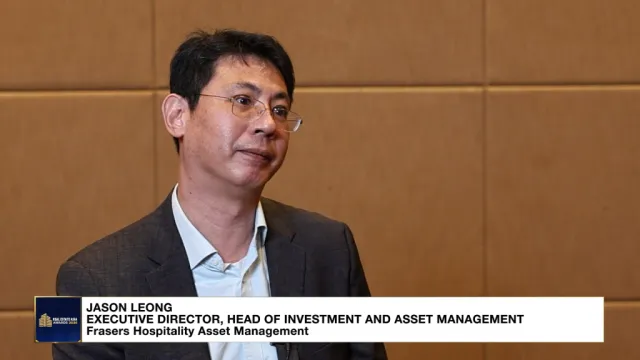
Inside Frasers Hospitality Asset Management’s win at the Real Estate Asia Awards 2026
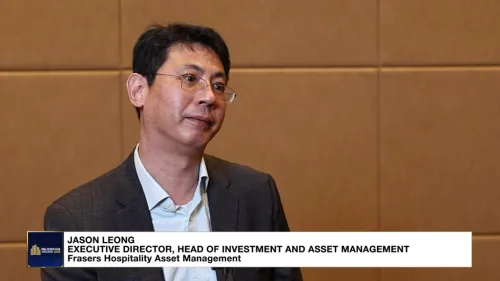
Jason Leong of Frasers Hospitality Asset Management shares how the company identifies and responds to evolving consumer trends.












Commentary
Medical centre expansion in Hong Kong: How to choose the right location