Inventory overhang remains key challenge for Hong Kong housing market
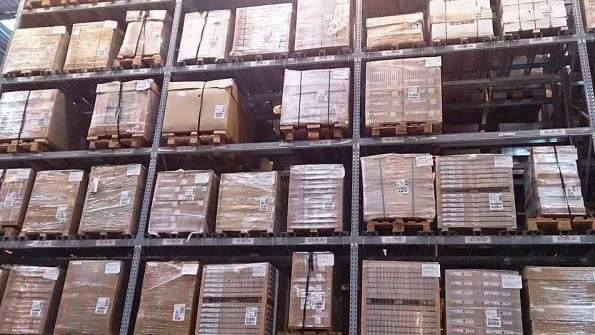
Around 12,000 to 13,000 unsold units still need to be absorbed.
Hong Kong’s residential property market is showing tentative signs of recovery, supported by improving financing conditions and stabilising transaction activity, although a large unsold inventory continues to weigh on a sustained price rebound, according to Martin Wong, Knight Frank’s Senior Director and Head of Research & Consultancy, Greater China.
Developers remain focused on clearing existing stock, with around 12,000 to 13,000 unsold units still needing to be absorbed before home prices can rise more meaningfully. To accelerate sales, developers are expected to roll out additional incentives and more flexible financing schemes to attract buyers.
According to Knight Frank, residential transaction volumes have stabilised at about 5,000 units per month, with well-located and competitively priced projects continuing to record strong market responses and high sell-through rates. Looking ahead, total transaction volumes are forecast to increase to between 65,000 and 68,000 units in 2026, reflecting a gradual improvement in buyer confidence.
Wong said financing conditions are expected to remain supportive. A further interest rate cut is anticipated, which could push mortgage rates below 3%, easing borrowing costs and improving affordability. This is expected to underpin a gradual recovery in home prices, with mass residential prices forecast to rise by 5% to 8% in 2026.
The rental market is also poised for further growth, driven by ongoing talent inflows and rising numbers of non-local students. Knight Frank projects residential rents to increase by 3% to 5%, with the potential to reach new record highs next year.
Improving market sentiment is also expected to feed through to the land market. Land sale revenue in 2026 is forecast to reach between HK$12 billion and HK$15 billion, representing a 60% year-on-year increase. Land premiums paid for private residential development are also expected to rebound to between HK$8 billion and HK$10 billion.
Overall, Wong said the pace of recovery in Hong Kong’s residential market will hinge on the speed at which existing inventory is absorbed, alongside continued support from lower interest rates and sustained housing demand.












 Read Here
 Advertise
 Sign Up