Singapore industrial market to see moderating growth in 2026
Cold storage and prime logistics assets will remain bright spots this year.
Singapore’s industrial property market is expected to enter a more measured phase in 2026, even as certain high-specification segments continue to demonstrate resilience, according to a new outlook report by Savills.
While 2025 saw growth exceed expectations, Singapore’s economic trajectory is forecast to moderate in 2026 amid mounting external headwinds.
The Ministry of Trade and Industry (MTI) has projected GDP growth of between 1% and 3% for 2026. Although rising global demand for artificial intelligence (AI)-related products is expected to remain a key driver for export and manufacturing sectors in the early part of the year, overall growth in manufacturing and trade-related activities is likely to ease from 2025 levels.
Savills noted that prolonged trade tensions, policy uncertainty and the reshaping of regional supply chains will continue to weigh on broader industrial activity.
Growing Demand for “Smart” Industrial Facilities
Despite the more cautious macroeconomic backdrop, certain industrial segments are poised to remain resilient.
Savills highlighted increasing demand for “smart” industrial facilities — buildings designed to support Internet of Things (IoT) integration, big data analytics, robotics, high power loads and clean-room capabilities. Supported by growth in manufacturing value-added activities, occupiers are prioritising automation-ready features such as higher floor load capacities, increased ceiling heights, raised floors and enhanced mechanical and electrical systems.
This shift reflects a broader transformation in industrial operations, with technology integration and efficiency becoming central to occupier decision-making.
Logistics and Cold Storage to Remain Key Bright Spots
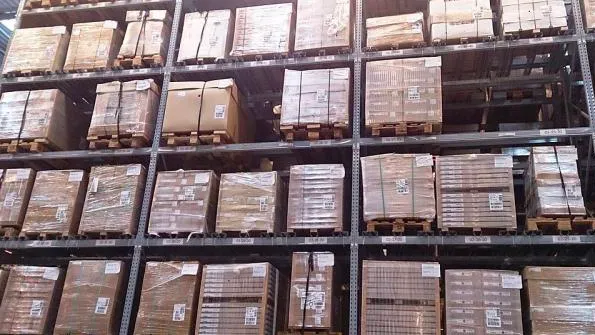
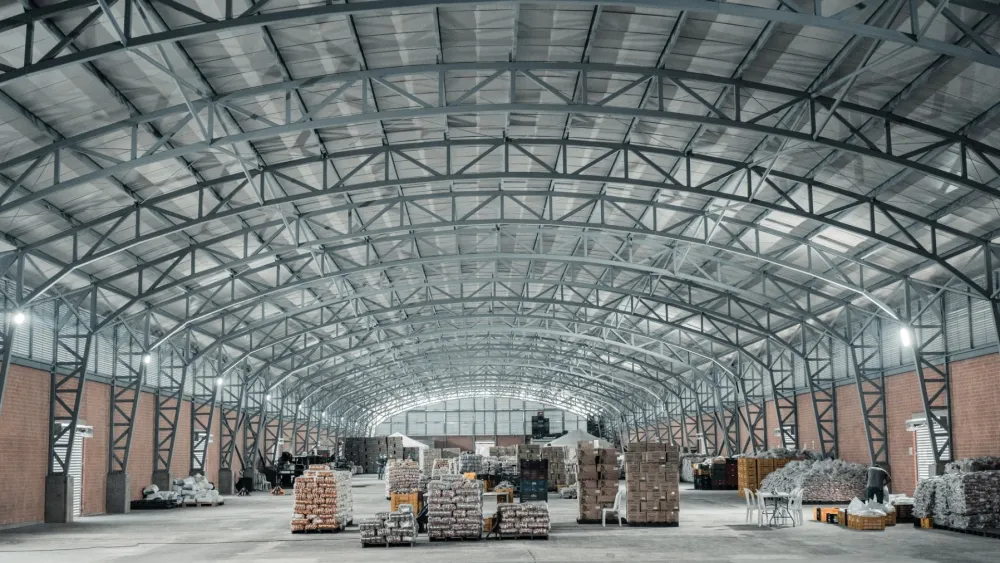
Within the warehouse segment, demand for modern logistics facilities is expected to remain robust. Savills observed that occupiers continue to reconfigure their space requirements, favouring micro-fulfilment centres and multi-user logistics hubs located closer to population centres to enable faster distribution turnaround.
The cold storage sub-market is forecast to perform particularly well over the next two to three years, driven primarily by domestic demand from food-related businesses. As this segment is less exposed to external economic volatility, it is viewed as relatively defensive.
Given the limited supply of high-quality facilities, evolving occupier requirements are placing a premium on new-generation, high-specification industrial assets.
Prime logistics developments — such as the recently completed Mapletree Joo Koon Logistics Hub — are often substantially pre-committed, resulting in limited net new supply entering the market.
Tight Supply to Support Rents, But Growth to Ease
Savills noted that the supply pipeline for multiple-user factories and warehouses is expected to remain subdued over the next four years, keeping availability of quality leasing options tight.
As occupiers continue to prioritise space efficiency, constrained availability of modern, high-specification stock is expected to support rental growth in these segments. However, overall rental momentum is likely to moderate amid ongoing global caution.
Against the backdrop of shifting regional supply chains and the impact of new US tariffs, rental growth for general warehousing space is projected to moderate to between 0% and 1% in 2026.
For multiple-user factory space, rents are expected to increase by around 0% to 2%, supported by continued demand for smaller, more cost-effective operational premises.
A More Selective Market Ahead
Savills’ outlook points to a more selective industrial property market in 2026, where quality, specification and location will be key differentiators.
While headline growth may slow in line with broader economic conditions, structurally supported segments — particularly smart manufacturing facilities, prime logistics hubs and cold storage assets — are likely to remain comparatively resilient within Singapore’s evolving industrial landscape.











 Read Here
 Advertise
 Sign Up