
Singapore industrial sector holds steady despite near-term macro uncertainty
Occupier demand has remained resilient.
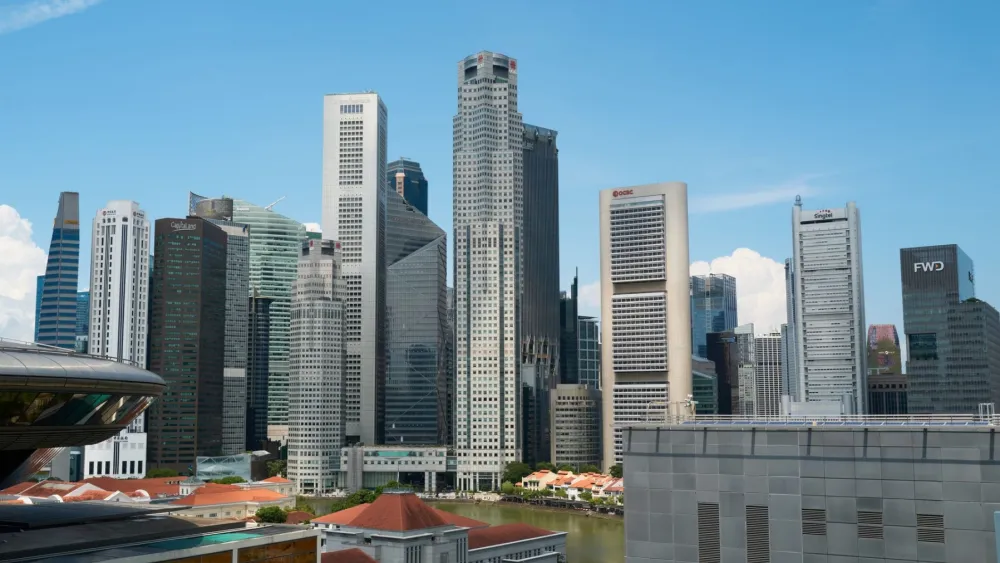
Singapore’s industrial property market entered 2026 against a softer macroeconomic backdrop, with near-term uncertainty offset by resilient occupier demand and structural support from advanced manufacturing, according to CBRE.
Based on advance estimates from the Ministry of Trade and Industry, Singapore’s economy contracted by 0.3% quarter-on-quarter in Q1 2026, reversing the 1.3% expansion recorded in Q4 2025. Manufacturing growth also moderated, expanding 5.0% year-on-year compared with 11.4% in the previous quarter. Gains in electronics, transport engineering, and precision engineering were partly offset by declines in biomedical, general manufacturing, and chemicals output.
CBRE notes that geopolitical tensions arising from the Middle East conflict have added to near-term economic uncertainty. However, occupier demand has remained resilient, supported in part by strength in Singapore’s AI-related manufacturing ecosystem, which continues to provide a structural tailwind.
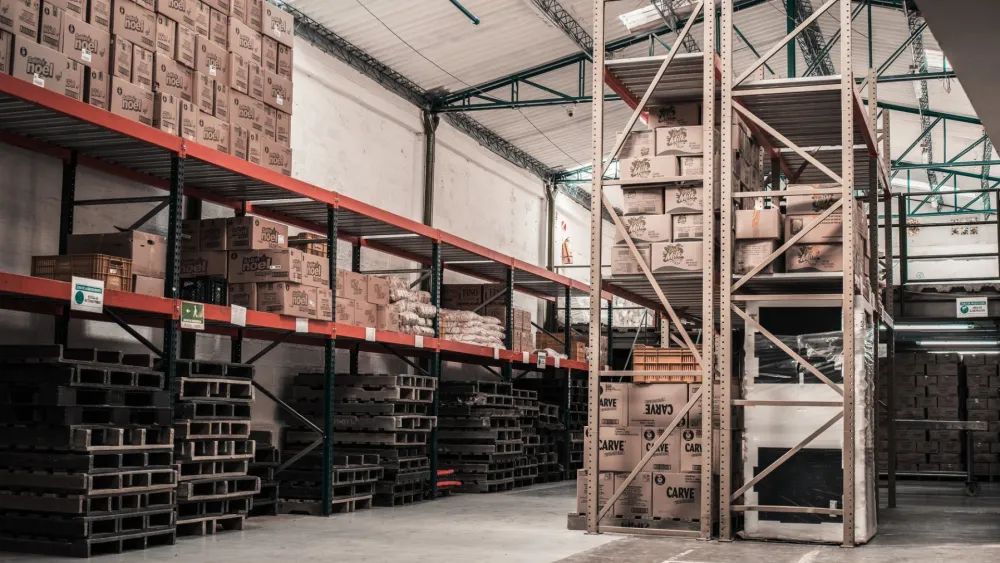
In the logistics segment, CBRE highlights a tightening supply outlook. The prime logistics pipeline is expected to ease significantly in 2026, with most upcoming facilities already pre-committed. Occupancy stood at 95.8% in Q1 2026 and is projected to rise towards around 97% by end-2026 as occupiers compete for available space within existing stock. This is expected to support steady rental growth in the segment.
On regional integration, CBRE points to the Johor-Singapore Special Economic Zone (JS-SEZ) as a key long-term structural initiative. The framework is designed to allow firms to allocate functions across borders, with higher-value activities such as R&D and headquarters functions based in Singapore, while Johor absorbs space- and labour-intensive operations. Although the JS-SEZ launch has been delayed to the first half of 2026 to allow for further policy alignment, CBRE notes that improved clarity around its “twinning” model should reduce execution risk and support future investment commitments.
Overall, CBRE concludes that while macroeconomic volatility may weigh on short-term sentiment, Singapore’s industrial market continues to benefit from tight logistics supply, structural manufacturing strengths, and long-term regional integration initiatives.












 Read Here
 Advertise
 Sign Up