Seoul and Tokyo set to lead global prime housing growth in 2026
Seoul prime apartment prices are forecast to rise between 6% and 7.9%.
Prime residential markets in Asia are expected to lead global price growth in 2026, with Seoul and Tokyo forecast to deliver the strongest gains amid ongoing supply constraints, according to new research from Savills.
The firm’s latest global prime residential report projects that prime apartment prices in Seoul will rise between 6% and 7.9% in 2026, following a 14.3% increase in 2025, making the South Korean capital the top-performing market in the index.
According to Savills, the growth is underpinned by structural supply shortages, including limited land availability, slow development pipelines and concentrated demand within core districts. Although tighter regulations and stricter financing conditions have tempered transaction volumes, price momentum has remained resilient.
Meanwhile, Tokyo also stands out after prime residential capital values surged 30% in 2025, driven by strong domestic and international investor demand and ongoing scarcity of new supply.
Savills noted that competition for land from office developers continues to constrain residential development in the Japanese capital, even as widening gaps between new apartment prices and construction costs raise questions over long-term sustainability.
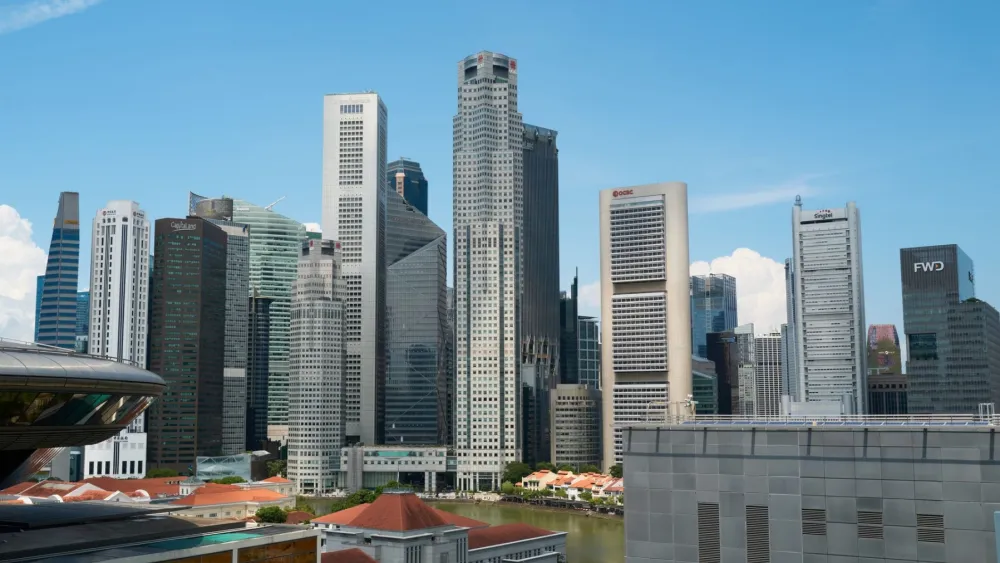
In Singapore, prime residential capital values are forecast to increase between 2% and 3.9% in 2026, representing a recovery after a year of negative growth in 2025.
“Singapore’s luxury residential market is slowly regaining momentum as more locals as well as permanent residents realise that value offerings are in the air after the price correction in 2025,” said Alan Cheong, Executive Director, Research & Consultancy, Savills Singapore.
Globally, prime residential markets showed resilience in 2025 despite economic volatility and geopolitical tensions. Savills said capital values across the 30 cities tracked in its index rose by an average of 1.8%, with the second half of the year seeing capital value growth outpace rental growth for the first time since 2021.
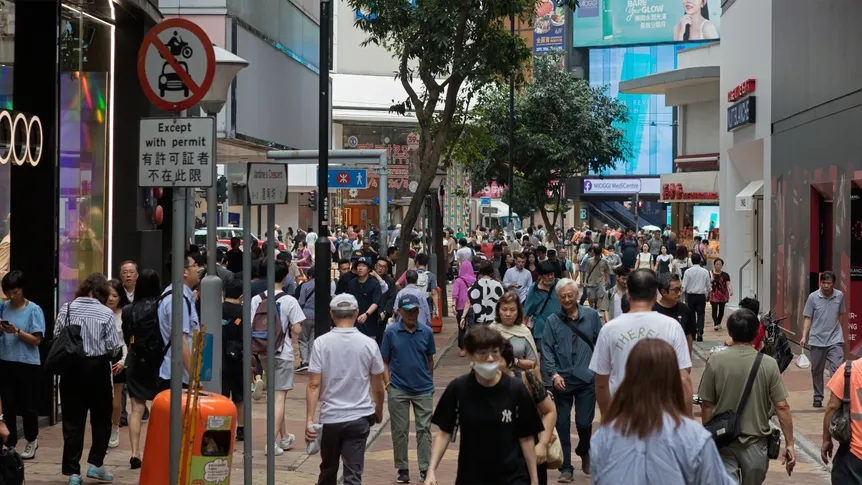
Elsewhere in Asia, the outlook remains mixed. Prime residential prices in Chinese cities are forecast to decline between 2% and 3.9% in 2026 amid weak demand and demographic challenges, while prices in Hong Kong are expected to rise between 2% and 3.9% as demand from mainland Chinese buyers strengthens.
According to Kelcie Sellers, Associate Director, Savills World Research, persistent supply shortages and global capital flows will continue to shape prime housing markets.
“Chronic undersupply, cross-border capital flows and sustained demand for global city environments — particularly those with strong lifestyle and fiscal attractions — will continue to drive growth in prime residential markets around the world,” she said.
















 Read Here
 Advertise
 Sign Up